
Balkan Tea Team
Editorial · 7 min read
Sustainability in Tea Packaging: What Buyers Actually Pay For in 2026
How sustainability claims in tea packaging drive buyer behaviour. The gap between what consumers expect and what they pay, plus compostable claims and regulatory risk.
Every tea brand wants to be sustainable. Few understand what that claim costs, what it requires to verify, and what happens when a buyer's compliance team audits it. This guide unpacks the sustainability conversation in tea packaging as it stands in mid-2026: what certifications mean, which materials carry real weight with European retail buyers, and why the gap between consumer surveys and actual purchase behaviour is wider than most brand owners think.
The consumer survey gap
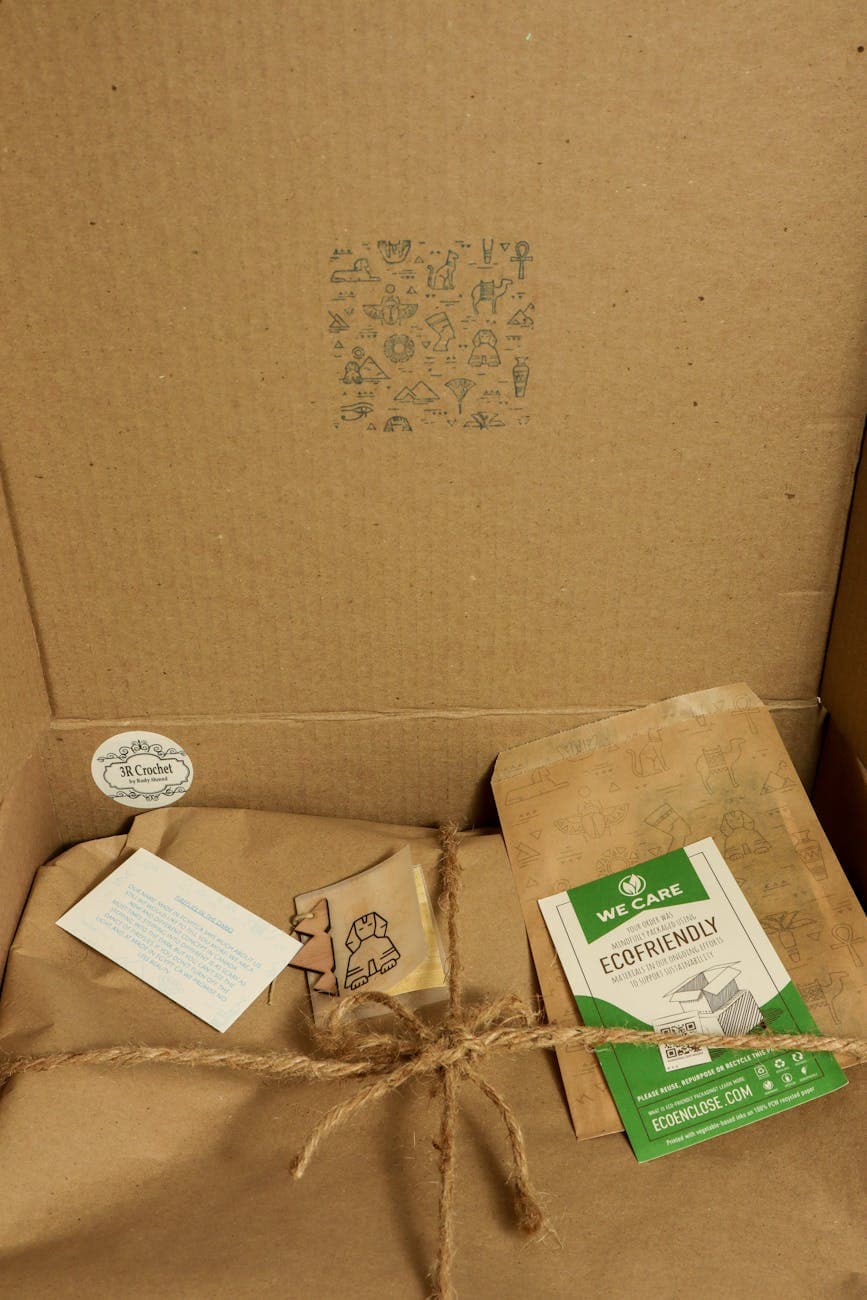
European consumer surveys consistently report that 60-80% of shoppers "prefer sustainable packaging" and "would pay more for eco-friendly products." The actual checkout data shows:
- When a sustainable tea SKU costs 10-15% more than the conventional equivalent, approximately 12-18% of shoppers choose it
- When the price premium exceeds 20%, sustainable purchase share drops below 8%
- In blind taste tests where both teas are identical, the sustainability claim alone shifts preference by roughly 5-7% - real, but far smaller than survey numbers suggest
The implication for tea brands is not "sustainability does not matter." It matters. But the premium a brand can charge for a compostable envelope is capped by the price sensitivity of the tea aisle, which is one of the most price-sensitive categories in European grocery.
The certification landscape
Not all sustainability claims are equal. The European regulatory environment separates marketing language from verifiable claims. The main certifications relevant to tea bag packaging:
| Certification | What it verifies | Applies to | Required for claim |
|---|---|---|---|
| EN 13432 | Industrial compostability. Material must biodegrade by 90% within 6 months under controlled composting conditions at 50C+. | Bag filter paper, envelope film, paper tag | Yes - mandatory for "compostable" on-label in EU |
| OK Compost INDUSTRIAL (TUV Austria) | Same as EN 13432 with additional ecotoxicity testing. Widely recognised logo. | Envelope film, tag string | Recommended (EN 13432 compliance + logo) |
| OK Compost HOME (TUV Austria) | Home compostability. Biodegrades at ambient temperature within 12 months. More stringent than industrial standard. | Filter paper only (rarely available for films) | Optional. Home-compostable claim requires this specifically. Industrial compostable does not satisfy it. |
| FSC (Forest Stewardship Council) | Paper and board from responsibly managed forests. Chain-of-custody certification required to use logo. | Carton board, paper tag, envelope if paper | Required for FSC logo on packaging |
| PEFC (Programme for Endorsement of Forest Certification) | Equivalent to FSC but more common in European-sourced board. Mutual recognition with FSC in some markets. | Carton board | Alternative to FSC |
| EU Ecolabel | Lifecycle environmental impact standard. Covers raw materials, manufacturing, distribution, and disposal. | Entire product system | Optional. Rare in tea packaging due to lifecycle assessment cost. |
The certification a tea brand needs depends on what claim they want to print on the carton. "Compostable envelope" requires EN 13432 or OK Compost certification for the envelope material. "FSC packaging" requires FSC chain-of-custody certification for the board supplier and converter. "Eco-friendly" without a certification logo is not a claim - it is marketing language that some EU enforcement bodies now treat as unsubstantiated.
The four sustainability strategies for tea brands
Every tea brand falls into one of four sustainability strategies. Each has different cost, certification, and marketing implications.
Strategy 1: Back-label compliance only
The brand makes no on-pack sustainability claim beyond what is legally required (recycling logo, material identification). The compostable filter paper and the envelope material are chosen on cost and performance, not on sustainability credentials.
Cost: Lowest. No certification cost. No material premium.
Risk: Lowest regulatory risk. No marketing risk because the brand makes no sustainability claims to audit.
Who it fits: Value-tier retail brands. Foodservice brands. Brands where sustainability is not part of the consumer-facing proposition.
Strategy 2: Bag-only compostable claim
The filter paper is compostable (standard for non-heat-sealable paper on the PT-2.33). The tag is paper. The envelope is OPP or similar non-compostable film. The carton claims "compostable tea bag - dispose of envelope separately."
Cost: Near-zero marginal cost. The bag is already compostable by default on the PT-2.33. The claim requires no additional certification beyond what the paper supplier already provides.
Risk: Low. The claim is limited to the bag itself, which is verifiably compostable. The brand is not claiming the envelope is compostable.
Who it fits: Most brands as a baseline. Your filter paper is already compostable. Say so.
Strategy 3: Full compostable system
The filter paper, tag, string, AND envelope are all certified compostable (EN 13432). The brand claims "fully compostable tea bag" on the carton. This requires a PLA, certified cellophane, or paper/PLA laminate envelope.
Cost: 2-3x envelope material cost vs OPP. Certification cost per film grade. Separate production scheduling for compostable film runs.
Risk: Medium. The claim spans the entire product. If one component loses certification (e.g., the adhesive on the envelope seal), the entire claim is compromised. A buyer audit that finds certification gaps invalidates the on-pack claim.
Who it fits: Premium and eco-positioned retail brands. Organic and natural food channels.
Strategy 4: Carbon-neutral / lifecycle positioning
The brand makes claims about the product's entire environmental footprint, not just the packaging. Carbon-neutral certification (PAS 2060 or equivalent). Lifecycle assessment published. May include offset purchases.
Cost: Very high. Full LCA costs EUR 15,000-40,000. Annual certification cost. Offset purchase cost. Full supply chain transparency required.
Risk: High. Carbon-neutral claims are under increasing regulatory scrutiny in the EU. The Green Claims Directive (proposed) will require full substantiation and external verification of environmental claims. Brands making carbon-neutral claims in 2026 should verify against the directive's expected requirements.
Who it fits: Very few tea brands. Large multinational brands with dedicated sustainability departments. Not recommended for first-time private-label brands.
| Strategy | Material cost premium | Certification cost | Regulatory risk | Consumer signal strength |
|---|---|---|---|---|
| 1. Back-label only | None | None | Very low | None |
| 2. Bag-only compostable | Near-zero | Low (paper cert) | Low | Moderate |
| 3. Full compostable system | 2-3x envelope cost | EUR 2,000-5,000/yr per material | Medium | Strong |
| 4. Carbon-neutral / LCA | Variable + offset cost | EUR 15,000-40,000 initial + annual | High | Very strong (audience-specific) |
The regulatory horizon: Green Claims Directive
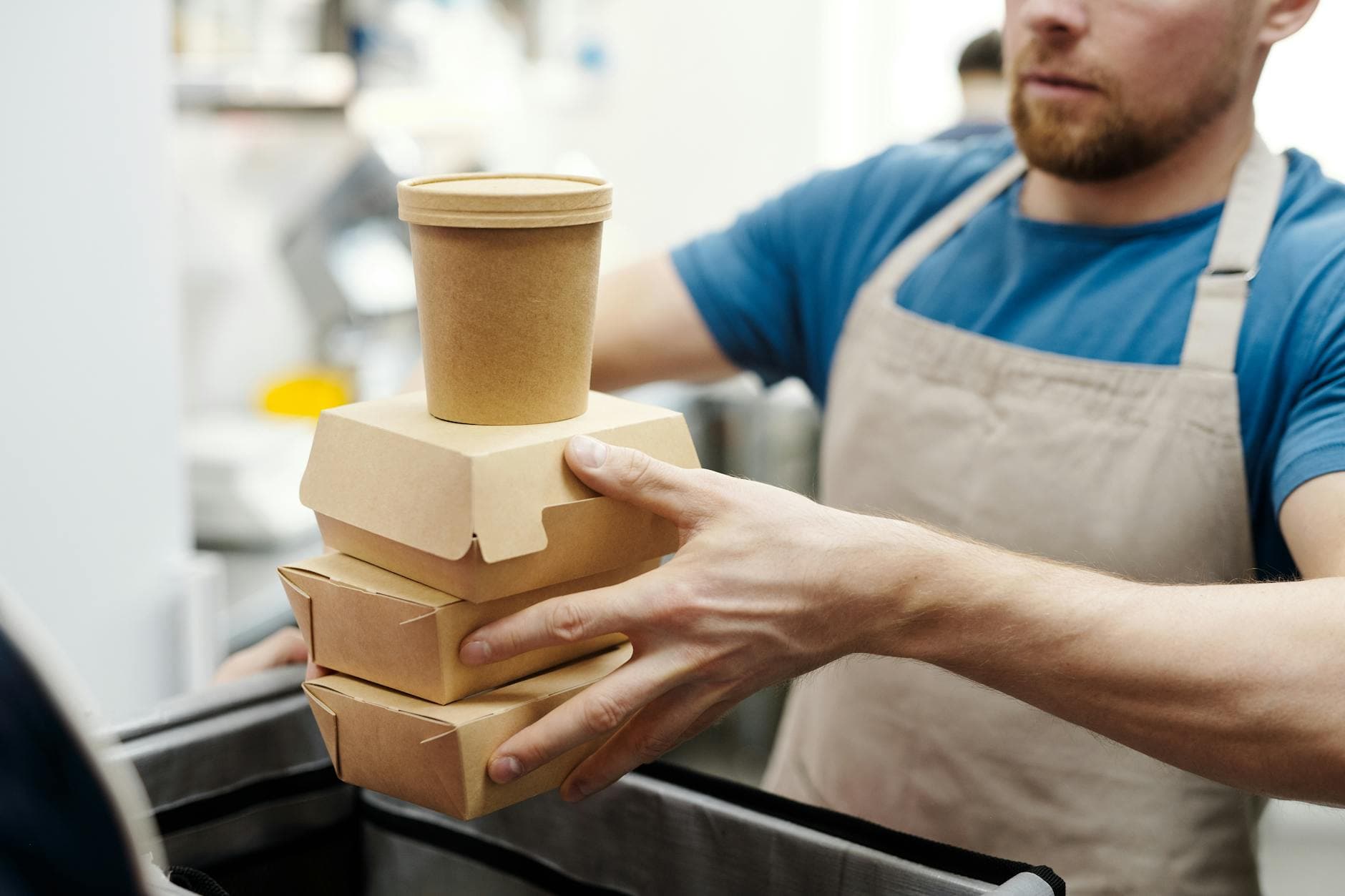
The EU Green Claims Directive, expected to come into force in 2026-2027, will require all environmental claims on consumer products to be substantiated by recognised scientific evidence and verified by an independent third party. Generic environmental claims ("eco-friendly," "green," "nature-friendly") without specific certification backing will be explicitly prohibited.
For tea brands, this means:
- "Compostable" must be backed by EN 13432 or equivalent certification
- "Biodegradable" must specify the environment and timeframe (e.g., "biodegradable in industrial composting within 6 months")
- "Plastic-free" must be verified and not contradicted by any component
- "Sustainable" as a standalone claim will likely be prohibited without specific qualification
Tea brands launching in 2026 should design their packaging claims against the expected directive requirements, not against the current (weaker) framework. A claim printed today that is non-compliant in 2027 will require a carton reprint - one of the most expensive single-line-item corrections in tea packaging.
What buyers actually ask for
At Balkan Tea, the sustainability conversation with buyers typically centres on three questions:
-
"Is the bag compostable?" Answer: yes. Non-heat-sealable filter paper, compostable by default. Paper tag. Cotton thread. No plastic in the bag itself.
-
"Can you do a compostable envelope?" Answer: yes, with PLA or certified cellophane or paper/PLA laminate. Higher per-bag cost. Talk to us about your retail price point and we will recommend the envelope material that meets your sustainability claim and your margin target.
-
"What certifications do you hold?" Answer: HACCP (annual audit), ISO 22000 (in progress for 2026). EU food safety compliance documented. We do not currently hold organic certification for the tea-bag operation. The herb business operates under EU food safety standards.
For buyers who want to explore compostable options, see our materials page for the full specification of filter paper, PLA, cellophane, and paper-compound envelope options. For the cost and lead-time implications of different envelope choices, talk to us directly through our contact page.
More from the Knowledge Hub
Private label tea cost per unit: 5 factors that move it
Private label tea cost per unit depends on 5 measurable factors. This guide breaks down each one with real numbers so you can plan before you quote.
guidesPrivate Label Tea MOQ in Europe: What to Expect
Most European tea co-packers set MOQ floors at 25,000-60,000 bags per SKU. We start at 5,000. Here is what drives the difference and how to compare co-packer quotes.
packagingCarton and Outer Packaging Design for Tea Retail: The Buyer Guide
Every tea carton decision that matters before print: board grades, finishes, structural formats, sustainability labelling, and the dieline errors that cost weeks.