
Luan Fazliu
Founder · 14 min read
Tea Bag Envelope Materials: OPP, PLA, Paper, Cellophane
Four tea bag envelope materials compared: OPP, cellophane, PLA, and paper. Barrier properties, minimum 35 micron spec, cost, machine compatibility, and brand fit.
Every individually wrapped tea bag leaves our facility inside an outer envelope sealed on three or four sides. The envelope material protects the bag from moisture, oxygen, and aroma loss. The four options we run are OPP (oriented polypropylene), cellophane, PLA (polylactic acid), and paper compound. Each has a distinct barrier profile, cost, sustainability story, and visual finish. This guide gives you the data to make the right choice for your brand.
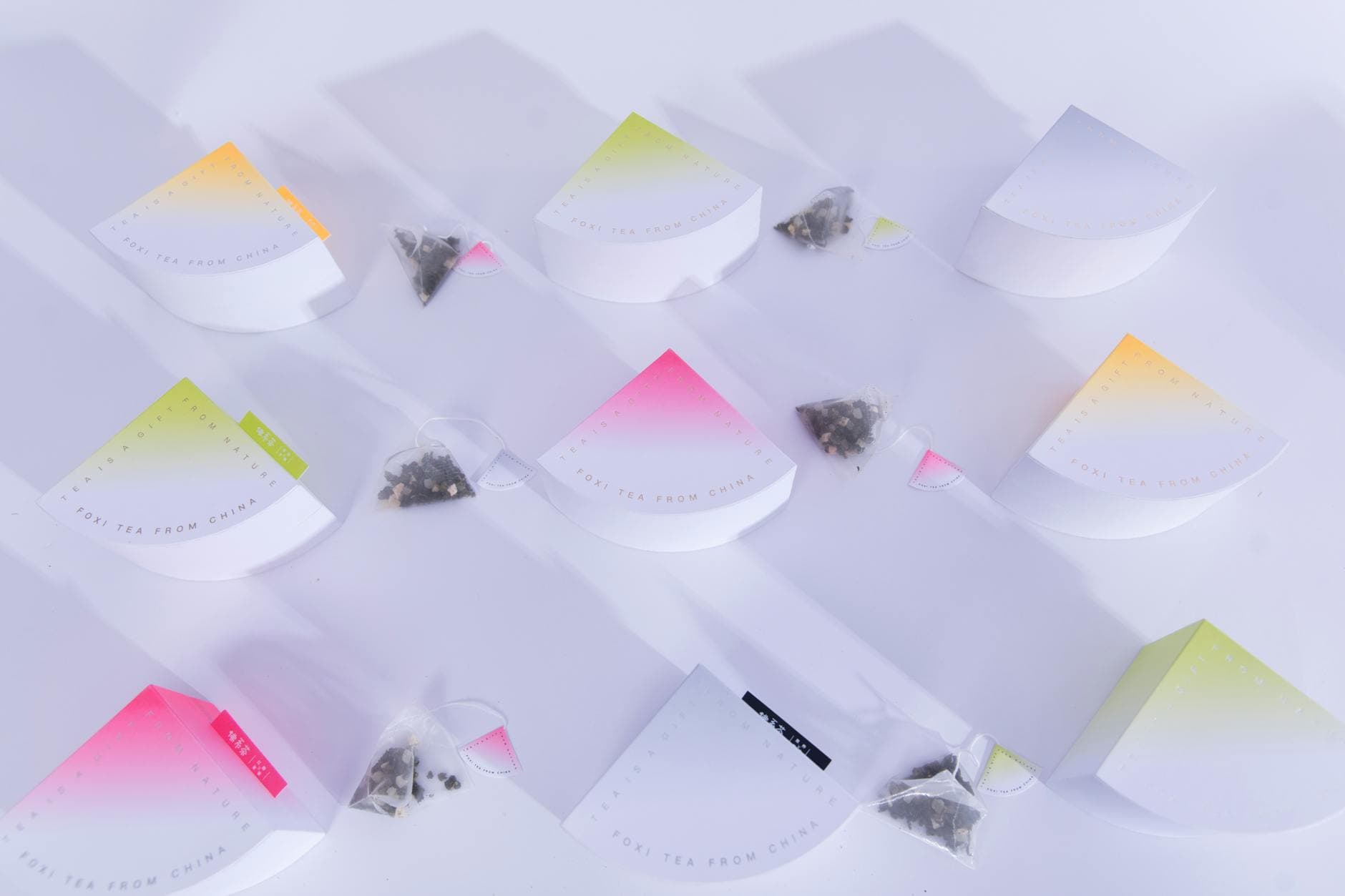
Why the envelope specification matters
The tea bag filter paper is permeable by design - water has to pass through it during infusion. That same permeability means the dried tea inside is exposed to atmospheric moisture and oxygen unless the bag is enclosed in an outer envelope before sealing.
Without an envelope, a tea bag with 5% moisture content at packing can absorb ambient humidity and reach 8-10% moisture within 4-8 weeks of storage in typical warehouse conditions. At 10% moisture, most black teas begin to stale. Herbal blends with fruit pieces can develop mould. The shelf life claim on your retail packaging - typically 18-24 months for black tea - is only achievable with a properly specified envelope.
The minimum film thickness we run is 35 microns. Below 35 microns, the film is too thin to run reliably through the sealing jaws without tearing or forming inconsistent seals. This is a machine constraint on the PT-2.33, not an arbitrary preference. All four envelope materials are available at 35 microns or above.
OPP (oriented polypropylene)
OPP is the most widely used tea bag envelope material globally. It is a biaxially oriented polypropylene film - the same family of plastics used in crisp packets and snack film - processed to align the polymer chains in two directions for improved strength and clarity.
Barrier properties: OPP provides excellent moisture barrier (WVTR typically below 1-2 g/m2/day at 38C/90% RH) and good oxygen barrier (OTR typically 1,000-2,000 cc/m2/day at standard conditions). For tea bags, the moisture barrier is the primary performance metric. OPP delivers it reliably.
Thickness available: 35 micron standard. Higher gauge available (40, 50 micron) but offers diminishing barrier returns.
Optical properties: Clear to slightly hazy. Can be printed with up to 8-colour rotogravure or flexographic print. Metalised (silver or gold) variants available.
Machine compatibility: Excellent. OPP runs cleanly through heat-seal jaws at 130-150C seal temperature. It does not require specialised sealing equipment.
Cost: Lowest of the four options. OPP film is produced at massive global scale. It is the commodity baseline for envelope costing.
Sustainability: OPP is not biodegradable and not compostable. It is technically recyclable in regions with soft-plastics collection infrastructure (some EU countries, UK), but consumer recycling rates for small flexible films remain low. If your brand needs to avoid plastic claims entirely, OPP is the wrong choice.
Brand fit: Value to mid-market. Clear OPP with a printed inner label or direct print works for retail. The "plasticky" feel is associated with volume brands rather than premium positioning.
Cellophane
Cellophane is regenerated cellulose film - derived from wood pulp via a viscose process, not petroleum. It is one of the oldest packaging films in commercial use, first produced in the 1910s. In tea packaging, cellophane was the dominant envelope material in European markets until the 1980s when OPP took over on cost.
Barrier properties: Cellophane has lower moisture barrier than OPP when uncoated (WVTR 15-25 g/m2/day at 38C/90% RH in uncoated form). Coated cellophane (PVDC or acrylic coating on the food-contact surface) achieves moisture barrier closer to OPP. For tea bags, coated cellophane is required in most climates.
Thickness available: 35-40 micron typical for tea bag envelopes.
Optical properties: Very high clarity, excellent gloss, distinctive crinkle sound when handled. The visual and tactile experience of cellophane is different from any plastic film - it has an organic appearance that many buyers find premium.
Machine compatibility: Good, but cellophane requires lower seal temperatures than OPP (90-110C). Running cellophane and OPP on the same sealing jaw configuration requires tool adjustment. We can run cellophane but schedule it separately from OPP production runs.
Cost: 20-40% more expensive than OPP at the same gauge. The raw material (viscose/wood pulp) and the coating step add cost vs commodity OPP.
Sustainability: Uncoated cellophane is biodegradable and compostable (EN 13432 certified grades available). PVDC-coated cellophane is not compostable - the PVDC coating prevents biodegradation. If you choose cellophane for sustainability reasons, confirm with your film supplier that the specific grade is certified compostable, not just that "cellophane is natural."
Brand fit: Heritage brands, premium retail, gifts, artisan positioning. The cellophane crinkle and gloss finish reads as "old-world" in a positive sense for tea. German, Austrian, and Swiss tea consumers associate cellophane envelopes with quality heritage brands.
PLA (polylactic acid)
PLA film is made from fermented plant starch - primarily corn or sugarcane - rather than petroleum. It is the most discussed "sustainable" packaging film option in the tea industry, partly because it is visually similar to OPP (clear, printable) but with a plant-derived origin story.
Barrier properties: PLA has lower moisture barrier than OPP (WVTR typically 80-120 g/m2/day at 38C/90% RH for standard grades). This is a significant limitation for tea bags in warm, humid climates. Multi-layer PLA laminates with silica coating can improve moisture barrier, but at significant cost and with uncertain compostability implications for the laminate.
For tea bags destined for European retail (temperate climate, 12-18 months shelf life expectation), standard PLA film is borderline adequate if your supply chain moves quickly. For export to hot/humid markets (Southeast Asia, Middle East), PLA requires barrier enhancement to reach acceptable shelf life performance.
Thickness available: 35-50 micron. Thicker films improve barrier marginally but increase material cost.
Optical properties: Clear, similar to OPP. Gloss level depends on grade. PLA can be printed but requires low-migration inks compatible with compostable packaging certification.
Machine compatibility: PLA is heat-sensitive. Seal temperature must be precisely controlled (85-100C). Running too hot causes the film to deform before sealing; too cool produces weak seals. Our sealing equipment is calibrated for PLA runs, but changeover from OPP requires full temperature profile resetting. PLA runs are scheduled separately.
Cost: Highest of the four options. PLA film costs 2-3x OPP at equivalent gauge. The agricultural raw material, fermentation, and processing steps are more expensive than polymerising propylene at petrochemical scale. This gap is narrowing but remains significant as of 2026.
Sustainability: PLA is certified compostable under EN 13432 at industrial composting conditions. It is not reliably home compostable (industrial composting requires sustained temperatures above 50C that garden heaps rarely achieve). "Compostable" on the label means industrial compostable unless specifically certified otherwise. Consumers frequently misread this and place PLA-wrapped tea bags in home compost bins where they may not fully degrade within the expected timeframe.
Brand fit: Premium sustainability-positioned brands, eco-conscious retail tiers, organic and natural food channels. PLA justifies its cost premium when your retail pricing supports it and your target consumer reads packaging materials carefully.
Paper compound
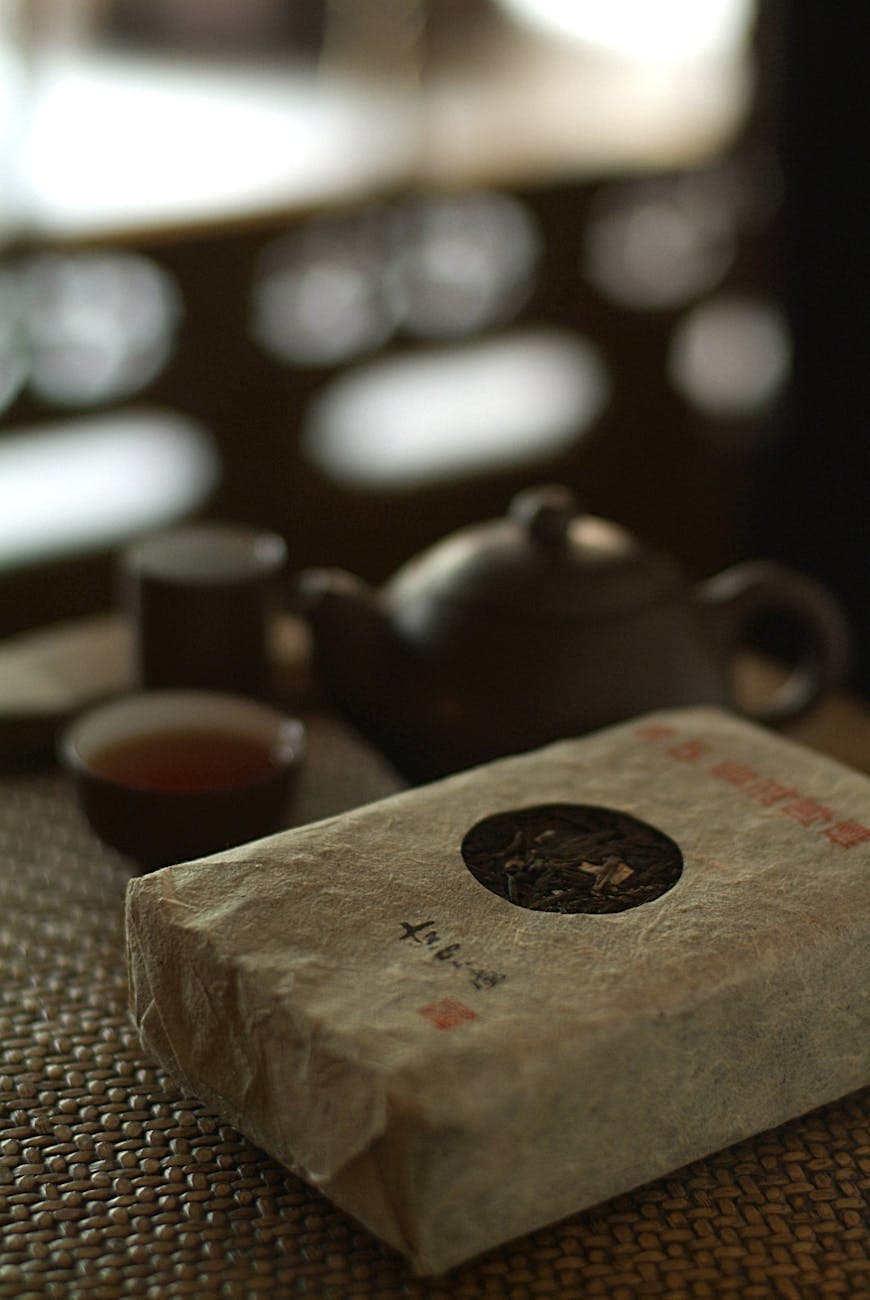
Paper envelopes for individually wrapped tea bags are not simple paper - they are paper/film laminate or paper/foil laminate structures. Pure paper without a barrier layer cannot prevent moisture transfer at the required rate for 18+ month shelf life. The "paper" option in tea packaging is always a composite material.
Common constructions:
- Paper/PE laminate: Kraft paper exterior with a polyethylene inner layer for moisture barrier and heat sealability. Recyclable in paper streams where PE laminates are accepted. Not compostable.
- Paper/PLA laminate: Kraft paper exterior with PLA inner layer. Compostable if both layers meet EN 13432. More expensive than paper/PE.
- Uncoated paper with integrated barrier: Some specialty papers (e.g., silica-coated natural kraft) provide limited barrier without a separate plastic layer. Performance is lower than laminate constructions but suitable for short shelf-life specialty products.
Barrier properties: Variable by construction. Paper/PE laminates achieve WVTR of 5-15 g/m2/day - better than uncoated cellophane, worse than OPP. Paper/PLA laminates are similar. Barrier is lower than OPP in all paper constructions.
Thickness: Paper laminates are typically measured in gsm (grams per square metre) rather than microns. Common grades for tea envelopes: 40-60 gsm paper layer + 15-25 gsm film layer. The total composite is equivalent to approximately 70-100 micron film in thickness.
Optical properties: Opaque (kraft brown or bleached white exterior). Cannot achieve the transparency of film envelopes. Print on paper exterior is excellent - paper accepts wide-gamut lithographic or flexographic print at higher resolution than film.
Machine compatibility: Paper laminates are bulkier than film. Running them through sealing equipment requires wider jaw openings and adjusted feed tension. Our equipment runs paper laminates but at a throughput reduction of approximately 10-15% vs film. We schedule paper runs with adjusted cycle times.
Cost: Paper/PE laminates cost 30-50% more than OPP. Paper/PLA laminates cost 80-120% more than OPP. The premium reflects material cost (paper + separate film layer vs single film extrusion) and manufacturing complexity.
Sustainability: Paper exterior creates strong eco-perception in retail. Actual sustainability depends entirely on whether the barrier layer is plastic or compostable film. A paper/PE laminate is not compostable and not easily recyclable (mixed material). A paper/PLA laminate is compostable if certified. The "paper = eco" assumption by consumers is a communications asset but requires honest labelling.
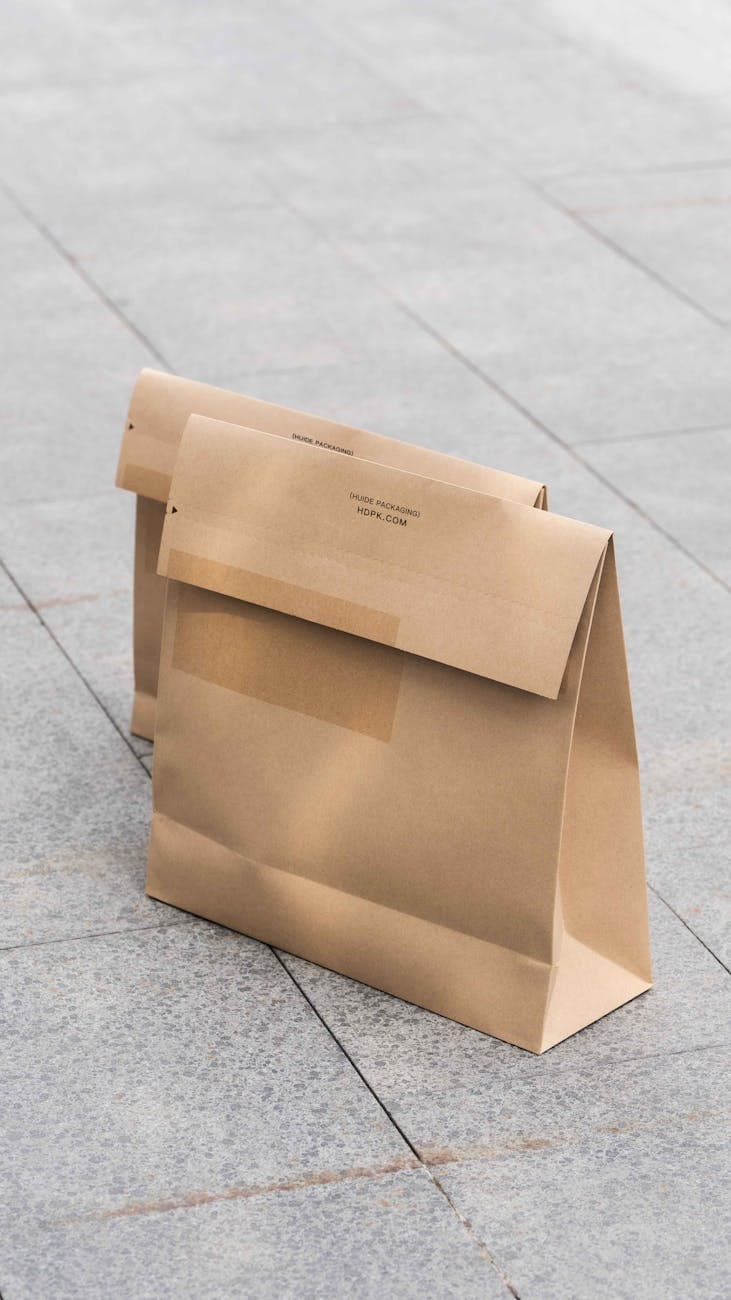
Brand fit: Artisan, premium, eco-retail, specialty tea. Kraft paper envelopes signal craft and natural positioning more strongly than any film option. This is the right choice if your brand's visual language is natural, unbleached materials with botanical print.
Full comparison
| Property | OPP | Cellophane | PLA | Paper compound |
|---|---|---|---|---|
| Base material | Petroleum (polypropylene) | Wood pulp (regenerated cellulose) | Corn/sugarcane starch | Wood pulp + film layer |
| Moisture barrier (WVTR) | Excellent (1-2) | Low-medium (uncoated 15-25) | Low (80-120) | Medium (5-15) |
| Minimum thickness | 35 micron | 35 micron | 35 micron | 40 gsm laminate |
| Clarity / transparency | Clear to hazy | Very clear, high gloss | Clear, similar to OPP | Opaque |
| Compostable option | No | Yes (uncoated certified grades) | Yes (industrial conditions) | Yes (PLA laminate grades) |
| Relative cost (OPP = 1x) | 1x | 1.2-1.4x | 2.0-3.0x | 1.3-2.2x |
| Machine ease | Easy | Moderate | Moderate (temperature sensitive) | Moderate (bulk) |
| Brand perception tier | Value to mid-market | Heritage, premium | Eco-premium | Artisan, craft, eco |
| Best market fit | Retail value, foodservice | EU heritage, gift | Eco-retail, natural food | Artisan, specialty |
How to choose the right envelope material
Start with your retail price point and sustainability positioning:
If cost minimisation is the primary variable: OPP. It delivers the required moisture barrier, runs reliably at full throughput, and adds the lowest cost per bag. This is the right choice for foodservice, value-tier retail, and any brand where packaging material is not a consumer-facing differentiator.
If you are targeting European heritage retail (DE, AT, CH, UK): Cellophane. The tactile and visual experience of cellophane reads as quality in markets where consumers have used cellophane-wrapped tea for generations. The 20-40% cost premium over OPP is recoverable in brand positioning at retail.
If your brand leads with sustainability claims: Start by deciding whether you need industrial compostable or home compostable certification. Industrial compostable: PLA or certified paper/PLA laminate. Home compostable: certified paper/PLA or uncoated certified cellophane, with verification of the specific grade against EN 13432. Budget 2-3x OPP cost.
If your brand is artisan/specialty/craft-positioned: Paper compound. The opaque kraft exterior with flexographic print creates a visual language that no film envelope can replicate.
The 35 micron minimum and what it means
Every film or laminate we run must be at minimum 35 microns total film thickness. This is the lowest gauge at which our sealing jaws reliably form a three or four-side seal without film tearing or wrinkle formation at the seal edge.
Film below 35 microns is available from some suppliers at lower cost per kg. We do not run it. A seal failure on a sub-35 micron film allows ambient air into the envelope, destroying the moisture and oxygen protection that justifies the envelope's existence. A failed seal may not be visible externally but will result in stale tea and short shelf life complaints.
When evaluating envelope material quotes from suppliers, always confirm the gauge. "35 micron minimum" means at least 35 microns at the thinnest point of the film, not on average across the roll.
Envelope format: three-side vs four-side seal
All four materials are available in two envelope formats:
Three-side seal (pillow pouch): Two sides and the bottom are sealed. The top is left open and the bag is inserted from the top, then the top is sealed. This is the standard format for individually wrapped tea bags. It allows the cardboard tag to extend above the envelope top for visual appeal.
Four-side seal (flat pouch): All four edges are sealed around the bag. Used for some premium retail SKUs where the tag is not visible (tag rests inside the sealed envelope). Less common in European retail.
Both seal formats are available across all four envelope materials. The format choice does not affect the material selection or cost significantly.
Envelope printing and branding
The envelope is your primary retail brand surface after the outer carton. For OPP, cellophane, and PLA envelopes, printing is on the film itself (reverse-printed for inner surface protection, or surface-printed with overcoat). For paper envelopes, printing is on the outer paper layer.
For full-production orders at Balkan Tea, we coordinate envelope print artwork with your brand files. For co-packing orders, clients supply pre-printed film rolls or pre-formed envelopes that we run on the machine.
Envelope print decisions - including colour matching, artwork sizing, and mandatory regulatory copy - are documented in our pre-production artwork approval process. For the full materials specification and how envelope choice integrates with filter paper, tag, and bag format decisions, visit our materials page.
Integration with bag format decisions
The envelope material is one specification variable among several that define a tea bag SKU. The other variables - bag size (60x40mm or 64x44mm), filter paper grade, tag dimensions, fill weight - are covered in the related posts below.
All four envelope materials are compatible with both bag sizes we produce. There is no size-material constraint. The machine parameters adjust per material, not per bag size.
For bags destined for markets with specific regulatory requirements on packaging materials (Germany's VerpackG, France's REP, the UK's EPR), confirm with your legal or compliance team that your chosen envelope material meets current requirements. We can supply a material data sheet for any envelope option we run.
To discuss your envelope specification as part of a co-packing or full-production order, visit our contact page. To configure a complete bag specification including envelope material, use the bag configurator. For the complete technical overview of our bag format, visit our bag page.
For related technical context, see non-heat-seal vs heat-seal tea bags (which explains why envelope material choice intersects with filter paper compostability) and tea bag sizes explained (fill weight and bag format decisions).
More from the Knowledge Hub
Sustainability in Tea Packaging: What Buyers Actually Pay For in 2026
How sustainability claims in tea packaging drive buyer behaviour. The gap between what consumers expect and what they pay, plus compostable claims and regulatory risk.
guidesPrivate label tea cost per unit: 5 factors that move it
Private label tea cost per unit depends on 5 measurable factors. This guide breaks down each one with real numbers so you can plan before you quote.
guidesPrivate Label Tea MOQ in Europe: What to Expect
Most European tea co-packers set MOQ floors at 25,000-60,000 bags per SKU. We start at 5,000. Here is what drives the difference and how to compare co-packer quotes.