
Luan Fazliu
Founder · 7 min read
Tea Bag Shelf Life: How Stability Testing Works and What Shortens It
How tea bag shelf life is tested, why 18-month claims need data behind them, and the four factors that accelerate staling. A technical guide for brand founders.
Every tea brand claims a shelf life on the carton. Most pick 18 or 24 months because the retail buyer expects it. Few have the data to back it up. This guide covers what shelf life testing actually measures, the four factors that shorten it, and how to run a stability study without a full QA lab of your own.
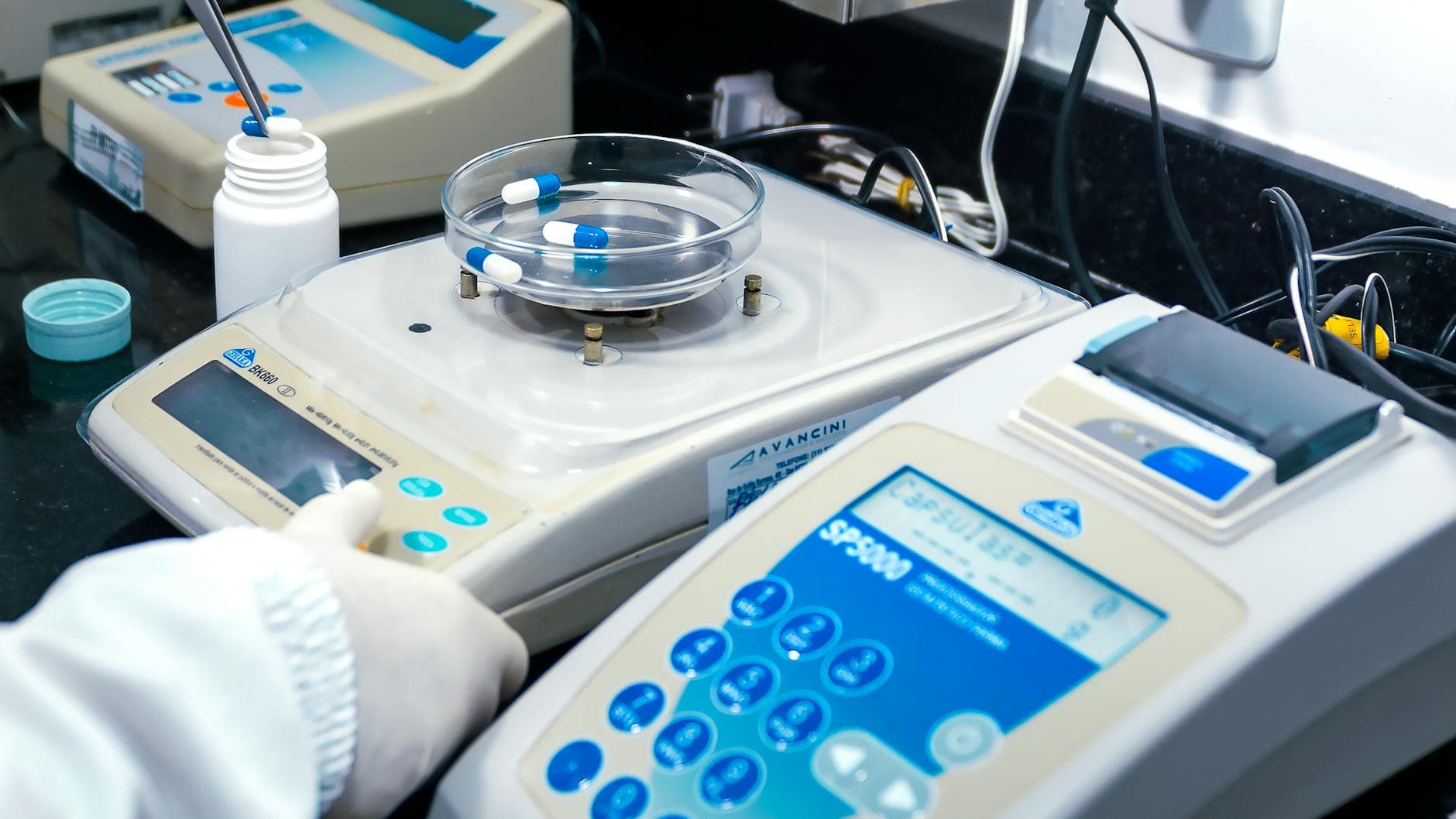
What shelf life actually means for a tea bag
Shelf life is not an expiry date. It is the period during which the product, stored under specified conditions, remains within defined quality parameters that the manufacturer commits to. For a tea bag, these parameters typically include moisture content, microbial safety, sensory profile, and infusion performance.
When a brand prints "Best before 18 months" on a carton, they are saying: if you store this tea at ambient temperature in a dry place, it will taste broadly the same and be safe to drink for at least 18 months from the production date. The "broadly" matters. Tea does not go off abruptly on day 547. It fades.
The four drivers of tea bag staling
Tea staling is driven by four variables, all of which interact. A packaging decision that controls one often weakens another.
| Factor | What it does | How to control it |
|---|---|---|
| Moisture uptake | Absorbed water raises water activity above 0.6 aw, enabling mould growth and accelerating oxidation. Black tea at 3-5% moisture at packing that reaches 8% in storage will stale in 6-8 months. | Envelope film with WVTR below 5 g/m2/day at 38C/90% RH. Hermetic seal integrity. Dry warehouse conditions. |
| Oxygen exposure | Oxidises volatile aroma compounds, flattening the tea character. Black tea aroma fades detectably within 3-6 months of exposure to ambient oxygen. Green tea degrades faster because the catechins are more reactive. | Nitrogen flushing the envelope before sealing (common in high-end Japanese green tea, less common in European black tea). Tight envelope seal. Aluminium or metallised films where required. |
| Light exposure | Photodegradation of chlorophyll in green tea, bleaching of herbal material, and acceleration of lipid oxidation in fruit-containing blends. UV is the primary culprit. | Opaque envelope or outer carton. Avoid clear OPP envelopes for long-shelf-life green tea SKUs. Retailers stocking near windows degrade tea faster than retailers with covered shelving. |
| Temperature cycling | Repeated warming and cooling condenses moisture inside the envelope, even when the seal holds. Warehouses in southern Europe that swing 15-35C between night and day cause more staling than stable 25C storage. | Stable-temperature warehousing. DAP Incoterms that transfer risk to the buyer at destination warehouse, not at port. |
How a stability study works
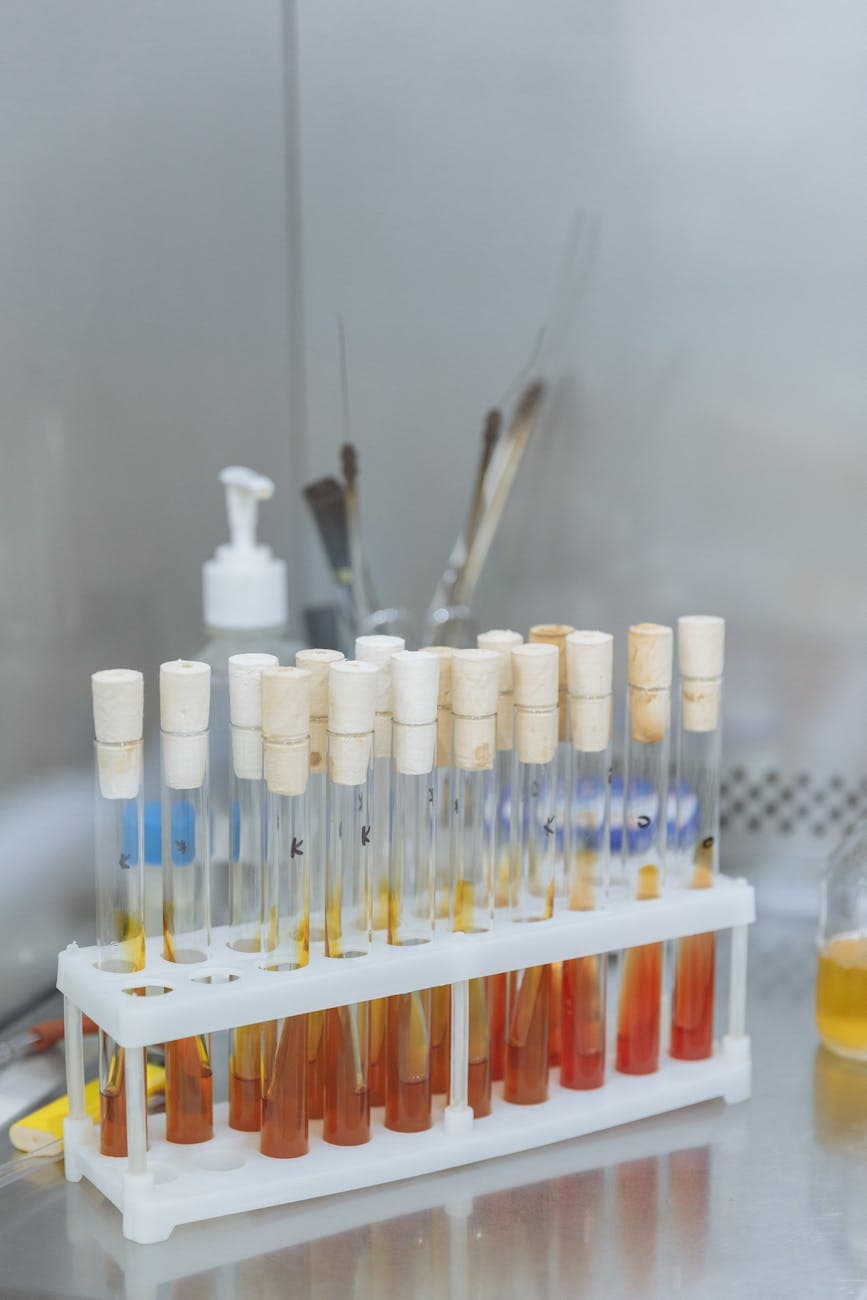
A formal stability study places production-retained samples in controlled conditions and tests them at intervals. The standard protocol for tea bags:
Real-time study: Samples stored at ambient conditions (typically 25C/60% RH) and tested every 3 months for 24 months. This is the gold standard because it reflects actual storage. The downside is it takes two years to get the data.
Accelerated study: Samples stored at elevated temperature and humidity (typically 38C/75% RH) for 3-6 months. The accelerated data is used to predict real-time stability while the real-time study runs. A product that fails accelerated testing at month 3 is unlikely to survive 24 months at ambient. A product that passes accelerated testing through month 6 is promising but not guaranteed.
What gets tested at each interval:
| Test | Method | Acceptance threshold |
|---|---|---|
| Moisture content | Karl Fischer or oven-drying | Within 2 percentage points of packing value |
| Water activity (aw) | Water activity meter | Below 0.65 (mould threshold) |
| Microbiology | Total plate count, yeast, mould | Within EU limits for dried herbs |
| Sensory evaluation | Triangle test vs reference sample | No significant difference (p > 0.05) |
| Infusion colour | Spectrophotometer or panel | Within defined range |
| Aroma intensity | Trained panel or GC-MS headspace | No more than 20% reduction vs fresh |
The envelope is your shelf life's first line of defence
The envelope does more than carry the brand. It is a barrier system. The moisture vapour transmission rate of the envelope film is the single strongest predictor of how fast a tea bag will stale.
| Envelope material | WVTR (g/m2/day at 38C/90% RH) | Expected real-time shelf life |
|---|---|---|
| OPP 35 micron | 1-2 | 24+ months |
| Cellophane (coated) 35 micron | 10-18 | 18-24 months |
| Cellophane (uncoated) 35 micron | 25-40 | 6-12 months |
| PLA 35 micron | 80-120 | 6-12 months (temperate climate only) |
| Paper/PE laminate | 5-15 | 18-24 months |
For brands claiming 24-month shelf life, OPP or coated cellophane are the safe choices. PLA requires verification that your supply chain never exposes the product to sustained humidity above 60% RH. A PLA-wrapped tea bag shipped through a humid port in August may arrive at the destination already above the moisture threshold.
Fill weight and headspace
A tea bag envelope is not completely filled. There is air inside the sealed envelope - approximately 30-50% of the internal volume is headspace. That headspace contains oxygen and moisture. A 2g tea bag in an envelope with 40% headspace carries more oxygen per gram of tea than a 2.5g bag in the same envelope with 20% headspace.
This is one reason why fill weight matters for shelf life, not just for consumer value perception. Maximising fill weight within the bag's brewing sweet spot reduces the oxygen-to-tea ratio inside the sealed envelope.
Batch retention and ongoing verification
Production-retained samples are not a regulatory checkbox. They are your shelf life monitoring programme. At minimum:
- Retain 20-30 envelopes per batch, stored in conditions that approximate your retail supply chain
- Test at T=0, T=6 months, T=12 months, T=18 months, T=24 months
- If a batch fails sensory at month 12, you have data to reduce the shelf life claim on the next production run before it reaches retail
Most tea brands skip batch retention testing. The brands that get into trouble are the ones that claim 24 months and never test a batch older than 6.
Working with your co-packer on shelf life
Your co-packer should be able to provide:
- The WVTR spec for your chosen envelope film
- Seal integrity testing data from production (dye-penetration or vacuum-decay)
- Initial moisture content per batch
- Batch retention for the periods specified in your contract
If your co-packer cannot tell you the WVTR of the film they are running, they are not managing shelf life systematically. This is a conversation to have before the first production run, not after the first customer complaint.
For co-packing services that include full shelf life documentation, talk to us about your brand's stability requirements. For the material options that determine your envelope barrier performance, see our materials comparison page.
More from the Knowledge Hub
Sustainability in Tea Packaging: What Buyers Actually Pay For in 2026
How sustainability claims in tea packaging drive buyer behaviour. The gap between what consumers expect and what they pay, plus compostable claims and regulatory risk.
guidesPrivate label tea cost per unit: 5 factors that move it
Private label tea cost per unit depends on 5 measurable factors. This guide breaks down each one with real numbers so you can plan before you quote.
guidesPrivate Label Tea MOQ in Europe: What to Expect
Most European tea co-packers set MOQ floors at 25,000-60,000 bags per SKU. We start at 5,000. Here is what drives the difference and how to compare co-packer quotes.