
Luan Fazliu
Founder · 11 min read
How Tea Brands Source Herbs from the Balkans: A Guide
How to source chamomile, mountain tea, linden and other native Balkan herbs for tea production - what to request, how to verify, and how vertical supply works.
The Balkans produce some of Europe's most sought-after medicinal and culinary herbs. Chamomile from Kosovo's plains, mountain tea from the peaks of North Macedonia and Albania, linden from valley forests across the region - these herbs have been cultivated, wild-harvested, dried, and exported by Balkan families for generations. If your tea brand is considering Balkan herb sourcing, this guide covers how the supply chain actually works, what documentation to request, and how to avoid the quality gaps that catch buyers off guard.
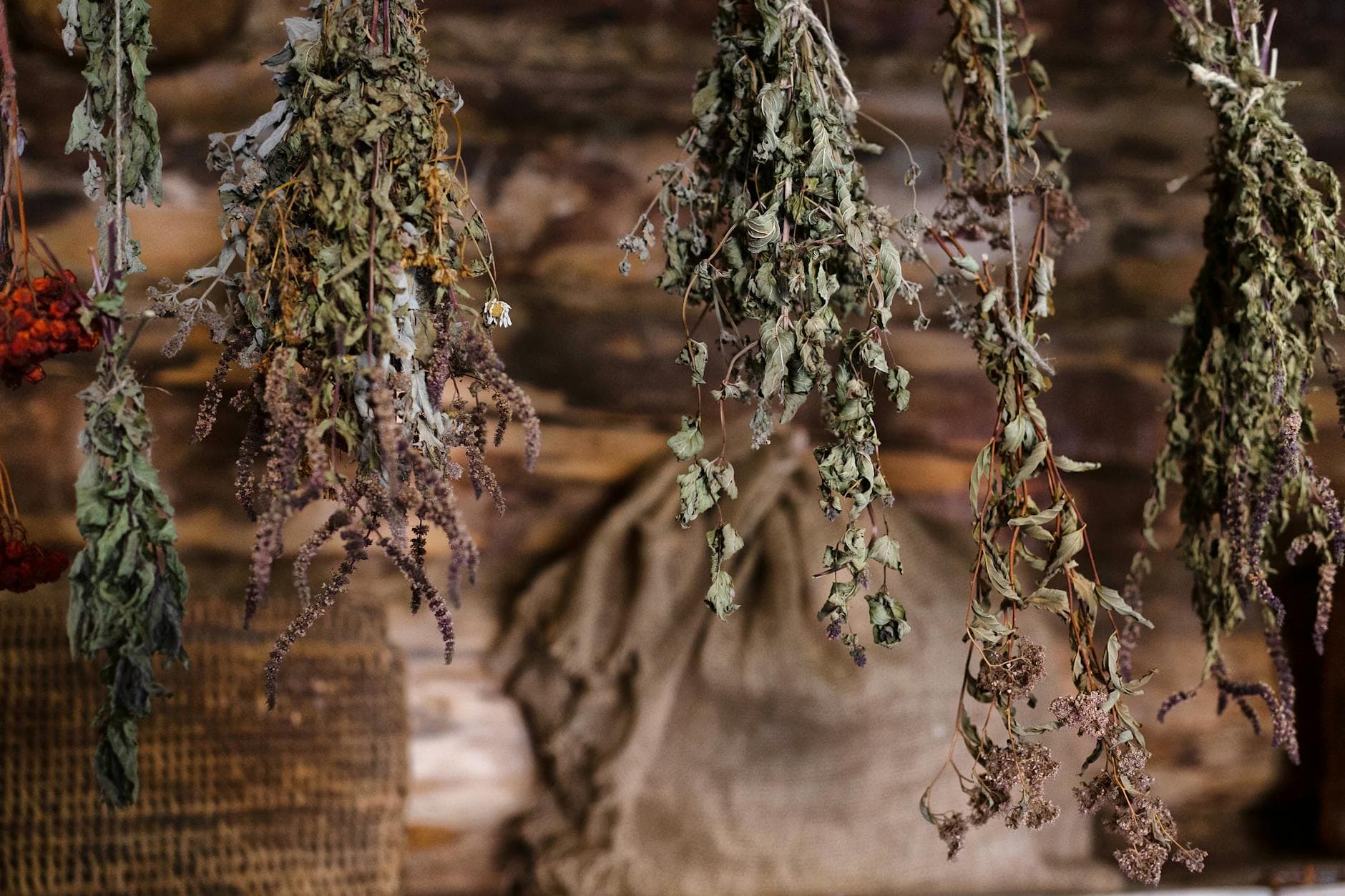
Why Balkan herbs matter for tea brands
The Balkan peninsula sits at the intersection of continental, Mediterranean, and alpine climates. That geography produces herbs with measurable phytochemical profiles that differ from varieties grown in Egypt, China, or Eastern Europe's lowland agricultural zones.
Mountain tea (Sideritis spp.) grows wild above 1,000 metres in Kosovo, North Macedonia, and Albania - altitudes that concentrate the essential oils and bitter compounds buyers pay for. Chamomile (Matricaria recutita) thrives in Kosovo's Dukagjini plain at elevations where cooler nights slow growth and increase apigenin content. Linden (Tilia spp.) flowers in valley forests at 400-800 metres across Serbia, Bosnia, and North Macedonia during a narrow June window that determines the entire year's yield quality.
For tea brands selling into Germany, Austria, and Switzerland - markets where buyers read ingredient origin labels - "Balkan" carries meaningful geographic and quality connotations. Our family has been supplying these buyers since 1990.
Herb-by-herb: Balkan growing seasons and sourcing windows
| Herb | Scientific name | Key regions | Harvest window | Form |
|---|---|---|---|---|
| Mountain tea | Sideritis raeseri, S. scardica | Kosovo, N. Macedonia, Albania | July-August | Wild-harvest, whole stem |
| Chamomile | Matricaria recutita | Kosovo, Serbia | May-June | Cultivated, flower head |
| Linden flower | Tilia cordata, T. platyphyllos | Serbia, Bosnia, N. Macedonia | June (10-14 day window) | Wild-harvest, flower + bract |
| Peppermint | Mentha x piperita | Kosovo, N. Macedonia | June-September (2-3 cuts) | Cultivated, leaf |
| Lemon balm | Melissa officinalis | Kosovo, Bulgaria | May-August (3 cuts) | Cultivated, leaf |
| Sage | Salvia officinalis | Kosovo, Albania, Montenegro | May-July | Cultivated + wild, leaf |
| Elderflower | Sambucus nigra | Throughout region | May-June | Wild-harvest, umbel |
| Rose hip | Rosa canina | Throughout region | September-October | Wild-harvest, fruit |
| Yarrow | Achillea millefolium | Kosovo, N. Macedonia | June-August | Wild-harvest, flower + leaf |
| Thyme | Thymus serpyllum | Kosovo, Albania | June-August | Wild-harvest + cultivated |
| Mallow | Malva sylvestris | Kosovo, Serbia | June-September | Cultivated, flower + leaf |
| Oregano | Origanum vulgare | Kosovo, Albania, Greece border zone | June-August | Wild-harvest + cultivated |
The linden window is the constraint most buyers underestimate. Miss the 10-14 day flowering peak and the quality profile drops significantly - linalool content falls, appearance becomes less uniform. Balkan suppliers who manage linden reliably maintain local pickers on short notice and have cold-storage access to preserve material immediately after harvest.
Cultivation versus wild-harvest: the quality and supply implications
Buyers frequently ask whether cultivated or wild-harvested herbs are "better." The answer depends on what you are optimising for.
Wild-harvest produces smaller, more variable quantities with higher phytochemical concentrations in species like mountain tea, linden, and rose hip. The plants grow without irrigation or soil amendments, in conditions that stress the plant and concentrate secondary metabolites. The tradeoff is supply reliability: a drought, a late frost, or an access restriction can reduce a harvest by 50-70% in a single season.
Cultivated herbs like chamomile, peppermint, lemon balm, and sage allow tighter control over growing conditions, harvest timing, and batch consistency. A cultivation operation that manages variety selection, irrigation, and soil health produces more uniform analytical results from one batch to the next - which matters for EU food safety compliance and for brands running established SKUs at scale.
Most Balkan herb operations, including ours, run both. Wild-harvest for mountain tea, linden, rose hip, and yarrow where the phytochemical profile depends on natural stress conditions. Cultivation for chamomile, peppermint, lemon balm, and sage where volume and consistency take priority.
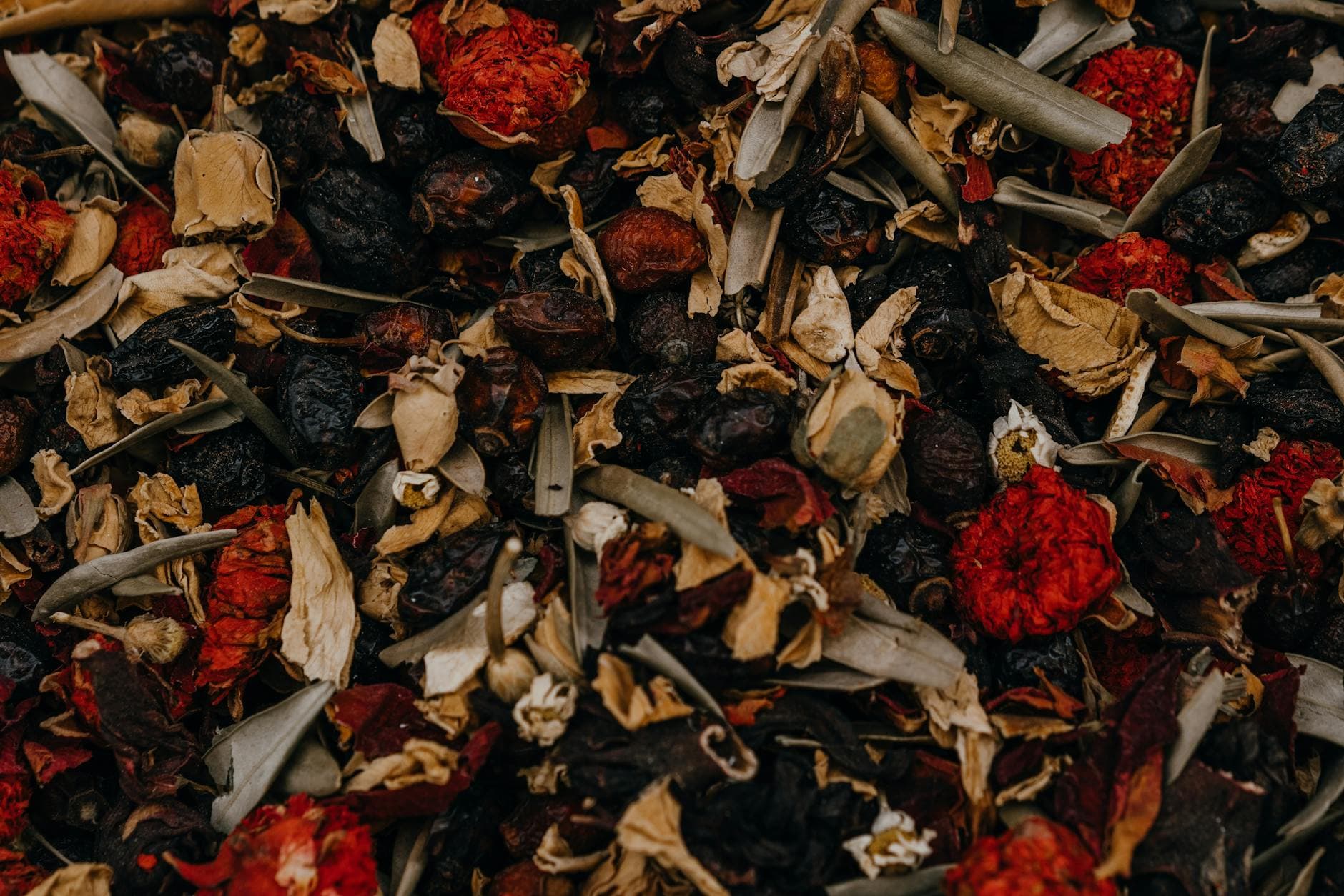
Drying: the step most buyers do not ask about
Drying is where herb quality is most easily destroyed and least easily recovered. A chamomile batch dried at 65°C instead of the correct 40°C loses essential oil content that cannot be restored downstream. A linden flower batch dried in humid conditions develops mould that contaminates the entire lot and fails microbiology at the buyer's lab.
The standard our family operation has used since 1990:
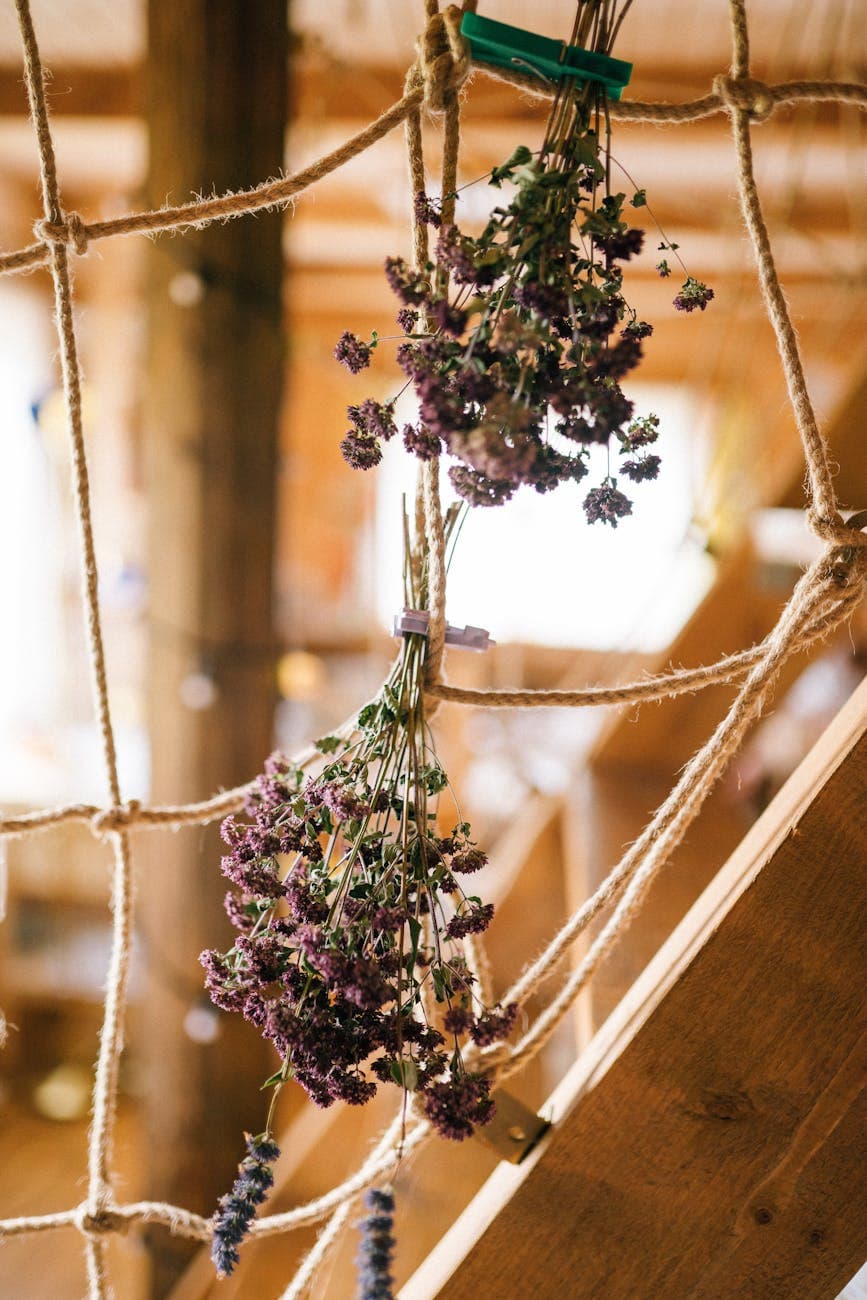
- Shade-drying for delicate flowers (chamomile, elderflower, linden, mallow) - no direct sunlight, airflow-controlled, ambient temperature or mild forced air at maximum 35-40°C
- Low-temperature forced air for leafy herbs (peppermint, lemon balm, lemon verbena, sage) at 40-45°C maximum, with humidity monitoring
- Fruit drying (rose hip) at 55-60°C until moisture content reaches 10-12%
- Whole stem drying for mountain tea at 40-50°C maximum to preserve intact terpene profiles
Moisture content at packaging should be at or below 10% for flowers and leaves, 12% for roots and fruits. Any reputable Balkan supplier should be able to provide moisture content data per lot alongside their standard documentation package.
Documentation every tea brand should request
EU food import documentation for herbs is not optional and not uniform across suppliers. Here is the minimum set to request before placing any volume order:
Origin and traceability:
- Certificate of origin (chamber of commerce or ministry-issued)
- Field or harvest location records (plot numbers, coordinates for cultivated; location name and altitude for wild-harvest)
- Supplier declaration for species identity (botanical name, plant part, country of origin)
Quality and safety:
- Microbiology report (total plate count, yeast and mould, Salmonella, E. coli minimum; STEC screening for herbs going into ready-to-brew products)
- Pesticide residue analysis (multi-residue screen per EU MRL framework)
- Heavy metals (lead, cadmium, arsenic, mercury minimum; some buyers add chromium and nickel)
- MOSH/MOAH testing (mineral oil hydrocarbons - required by most German private label retailers and increasingly standard across EU)
- Moisture content per lot
- Essential oil content or active constituent profile (relevant for chamomile apigenin, thyme thymol, sage thujone compliance)
Regulatory:
- EU Regulation 178/2002 traceability declaration
- Food safety system documentation (HACCP or equivalent)
- ISO 22000 or BRC certificate if available
Suppliers who cannot provide this documentation package do not have the infrastructure to supply into the German, Austrian, or Swiss markets reliably. The documentation gap is also where spot-market and intermediary sourcing consistently fails - you are buying a quality claim, not verified material.
The vertical integration case for co-packing buyers
Standard co-packing assumes you source your own herbs and ship them to the packer. That model works when you have an established herb supply chain with verified suppliers, consistent documentation, and logistics to manage across harvest seasons.
A grower-packer operation removes that complexity. When the same family that cultivated, dried, and documented the herb also runs the tea bag production line, the handoff between raw material and finished bag happens within a single documented process. No third-party logistics gap. No chain-of-custody break. No re-certification step.
Our operation works this way. Luan Fazliu's family has cultivated, dried, processed, and exported native Balkan herbs to Germany, Austria, and Switzerland since 1990. The same family now runs tea bag co-packing on the PT-2.33 double-chamber machine in Kosovo. When a full-production client selects a Balkan herb blend from our range, the herb origin, drying records, and analytical data are part of the same documentation set as the finished bag - not a separate supply chain to manage.
For brands that want to supply their own herbs, co-packing remains straightforward. We bag your material on the PT-2.33 to your specification.
How to find and evaluate Balkan herb suppliers
Most legitimate Balkan herb exporters operate through:
- Chamber of commerce directories in Kosovo (KBIR), North Macedonia, Albania (AQSH), Serbia - these list registered exporters with tax IDs and export licences
- EU TRACES database - records of herb consignments into the EU with sanitary certificates attached
- Trade fair presence - BIOFACH (Nuremberg), Anuga FoodTec (Cologne), and smaller regional fairs
When evaluating a new supplier, request the last three lot documentation sets before price negotiation. A supplier with consistent, complete documentation across multiple lots demonstrates the process is systematic, not assembled per inquiry.
Run a small first order with full lab verification at your own cost. The lab cost on a 100kg pilot order is insignificant against the risk of a contaminated or mislabelled 5,000kg shipment.
Pricing and volume expectations
Balkan herb pricing is not published openly because it varies by species, grade, harvest year, and volume. A rough orientation for buyers evaluating initial budgets:
Cultivated herbs (chamomile flower, peppermint leaf, lemon balm leaf) sourced from Balkan producers typically run 20-40% below equivalent-grade material from Egyptian or Eastern European sources at comparable quality documentation levels. The price differential reflects lower input costs and lower land costs, not lower quality.
Wild-harvest herbs (mountain tea, linden flower, rose hip) carry a different cost structure. Picker time and remote harvest logistics make these more labour-intensive per kilogram than cultivated alternatives. Mountain tea from verified Balkan highland sources typically trades in the EUR 8-20/kg range for export-grade dried material, depending on species, harvest year quality, and volume. Linden flower is seasonally volatile - supply is inelastic to price because the harvest window cannot be extended.
For volume orientation:
- Trial lots: 50-200 kg per species. Most documentation-compliant Balkan exporters will supply at this level.
- Standard trading quantities: 500-2,000 kg per lot. At this volume, price negotiation and multi-year supply agreements become relevant.
- Contracted annual volumes: 5,000 kg+ per species, typically requiring forward supply agreements signed before the harvest season.
Annual forward agreements with a Balkan herb supplier protect your brand against the supply volatility that hits spot buyers in poor harvest years. The 2022 Kosovo chamomile season yielded significantly below average due to a late frost in May - spot buyers paid 40-60% premiums. Forward buyers held their contract price.
Quality grades: what "export grade" actually means
Balkan herb suppliers often describe their product as "export grade" without specification. The term is not standardised. What buyers should interrogate instead:
Species purity: What percentage of the lot is the declared species? Acceptable thresholds vary by application but 95%+ declared species is the minimum for a branded tea product. Ask for the methodology used - visual inspection alone is insufficient for botanically similar species.
Foreign matter content: EU Pharmacopoeia limits are the reference standard. For chamomile flower, foreign matter should not exceed 3%. For leafy herbs, 2% is reasonable. Above those levels, your customer's lab will flag the material.
Colour and aroma: These are grade indicators as much as analytical parameters. Chamomile flower should be bright yellow-white, not brown. Peppermint leaf should be clearly green, not grey-brown. Faded colour indicates over-drying, high storage temperatures, or age. Flat aroma indicates essential oil loss. Both can pass a basic microbiology panel while failing a sensory quality standard.
Particle size consistency: For tea bag material, inconsistent particle size produces inconsistent fill weights which produce inconsistent brew strength. A supplier who screens their output to specification is investing in your production consistency, not just their own.
Working with us on Balkan herb sourcing
If you are a tea brand looking for Balkan herbs for your own production, or for a co-packing or full-production arrangement that includes herb sourcing, talk to us directly. We source herbs we know - species our family has worked with for 36 years, from regions we can trace to field level.
For full production clients, we develop recipes using our herb range and bag them on the PT-2.33. For co-packing clients who want access to verified Balkan material, we can discuss herb supply as a separate conversation.
The tea range page lists the herb categories we work with. The herbal infusions section covers our Balkan native herbs specifically. For sourcing questions, the fastest route is direct contact.
More from the Knowledge Hub
Custom Tea Blending: Building a Signature Blend for Your Brand
How a signature tea blend moves from a tasting brief to a locked recipe. The blending process, iteration cycles, and what separates a house blend from a generic SKU.
heritageHow a 36-Year Herb Business Shapes Our Tea Bag Supply
From family herb fields in Kosovo since 1990 to PT-2.33 tea-bag co-packing. How 36 years of Balkan herb supply built the sourcing foundation behind Balkan Tea.
sourcingSideritis and Balkan Mountain Tea: Brand Sourcing Guide
B2B sourcing guide for Sideritis mountain tea: species differences, harvest windows, drying specs, documentation, and how to put it in a tea bag at scale.