
Luan Fazliu
Founder · 11 min read
How a 36-Year Herb Business Shapes Our Tea Bag Supply
From family herb fields in Kosovo since 1990 to PT-2.33 tea-bag co-packing. How 36 years of Balkan herb supply built the sourcing foundation behind Balkan Tea.
Luan Fazliu's family herb business has cultivated, dried, processed, and exported native Balkan herbs to Germany, Austria, and Switzerland since 1990. Same fields, same family standards, now extended into tea packaging under the Balkan Tea brand.
That sentence is 36 years of supply chain compressed into two sentences. What it contains - the fields, the standards, the DACH trade routes, and the discipline of herb processing at volume - is the foundation that makes Balkan Tea different from a new co-packing operation buying commodity herb from a broker. This post is the full story.
1990 was different
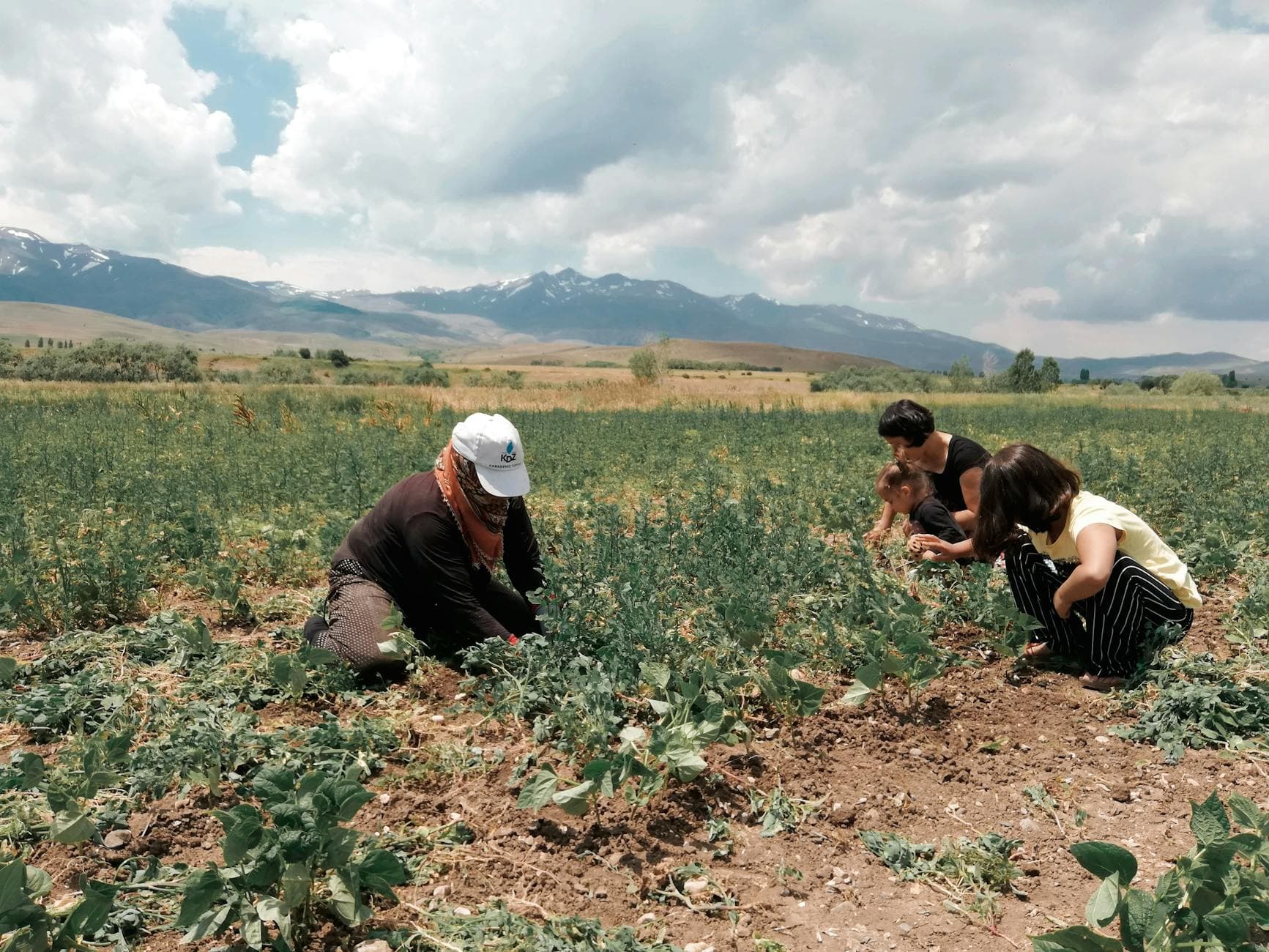
In 1990, the herb trade between the Balkans and Germany operated on direct relationships. German apothecaries and specialty herb houses sourced chamomile, linden, sideritis, and mountain herbs from small Balkan families who grew, dried, and graded the product themselves. There was no broker layer, no commodity aggregation, no certifying body between the field and the buyer. The quality was the family's reputation.
That year, Luan's family formalised what had been informal cultivation and export into a structured herb business: designated fields, defined harvest windows, proper drying infrastructure, and direct buyer relationships in Germany and Austria.
The context matters. Yugoslavia was dissolving. The Balkans were not a stable export environment. Building a cross-border herb supply chain in 1990 required persistence - and it required the quality to keep buyers coming back when the logistics were unreliable. The family did both.
In 1990, we had the fields and we had the relationships. The German buyers knew the herbs because they could taste the difference from anything else they were getting. That taste - that is what kept the business alive through everything that happened in the 1990s.
The DACH trade routes: how they were built
The export channels to Germany, Austria, and Switzerland were not built through trade fairs or marketing. They were built shipment by shipment, relationship by relationship, over the first decade of operation.
The initial DACH customers were apothecaries (Apotheken) in Germany who needed chamomile and linden that met German pharmacy standards (DAB - Deutsches Arzneibuch). The standard at the time required documented origin, controlled moisture, low foreign-body content, and essential-oil specifications. The family's product met those standards. The customers came back.
By the mid-1990s, the customer base had extended to wellness houses (Wellnesshäuser) in Austria and specialty herb traders in Switzerland. Each market had different packaging and grading preferences, but the source material was the same Kosovo and North Macedonia herb.
The Austrian wellness buyers were different from the German apothecaries. The apothecaries wanted the specification. The wellness houses wanted to know the story - where it came from, who grew it, what the place looked like. We told them the same thing: Kosovo. Our family. Since 1990.
Heritage timeline: 36 years of Balkan herb supply
| Year | Milestone |
|---|---|
| 1990 | Family herb business formally established. First direct export to German apothecary customers. Primary herbs: chamomile and linden. |
| 1992-1995 | Expanded growing areas in North Macedonia. Added mountain herbs (sideritis, mint, sage) to the export range. |
| 1996-2000 | Austrian wellness house accounts established. Swiss specialty herb traders added. DACH customer base reaches steady-state relationships. |
| 2001-2005 | Post-conflict Kosovo stabilisation. Family rebuilds and expands Kosovo cultivation and drying infrastructure. |
| 2006-2010 | Second generation joins the operation. Processing and grading discipline formalised. Export documentation upgraded to EU standards. |
| 2011-2015 | Volume grows with EU integration of Kosovo trade channels. German customer base renews and deepens. |
| 2016-2020 | ISO 22000 and HACCP certification path initiated for the processing facility. |
| 2021-2023 | PT-2.33 double-chamber tea-bag machine installed. Co-packing capability added to the existing herb processing operation. |
| 2024-present | Balkan Tea brand launched. B2B co-packing and full production for EU tea brands from the Kosovo facility. |
The fields: what has not changed
The fields that produced chamomile in 1990 still produce chamomile today. The drying sheds that were built in the early 1990s - extended and improved, but the same basic shade-drying and warm-air infrastructure - still operate on the same principles. The family members who learned herb processing in the first decade of the business still run the quality decisions.
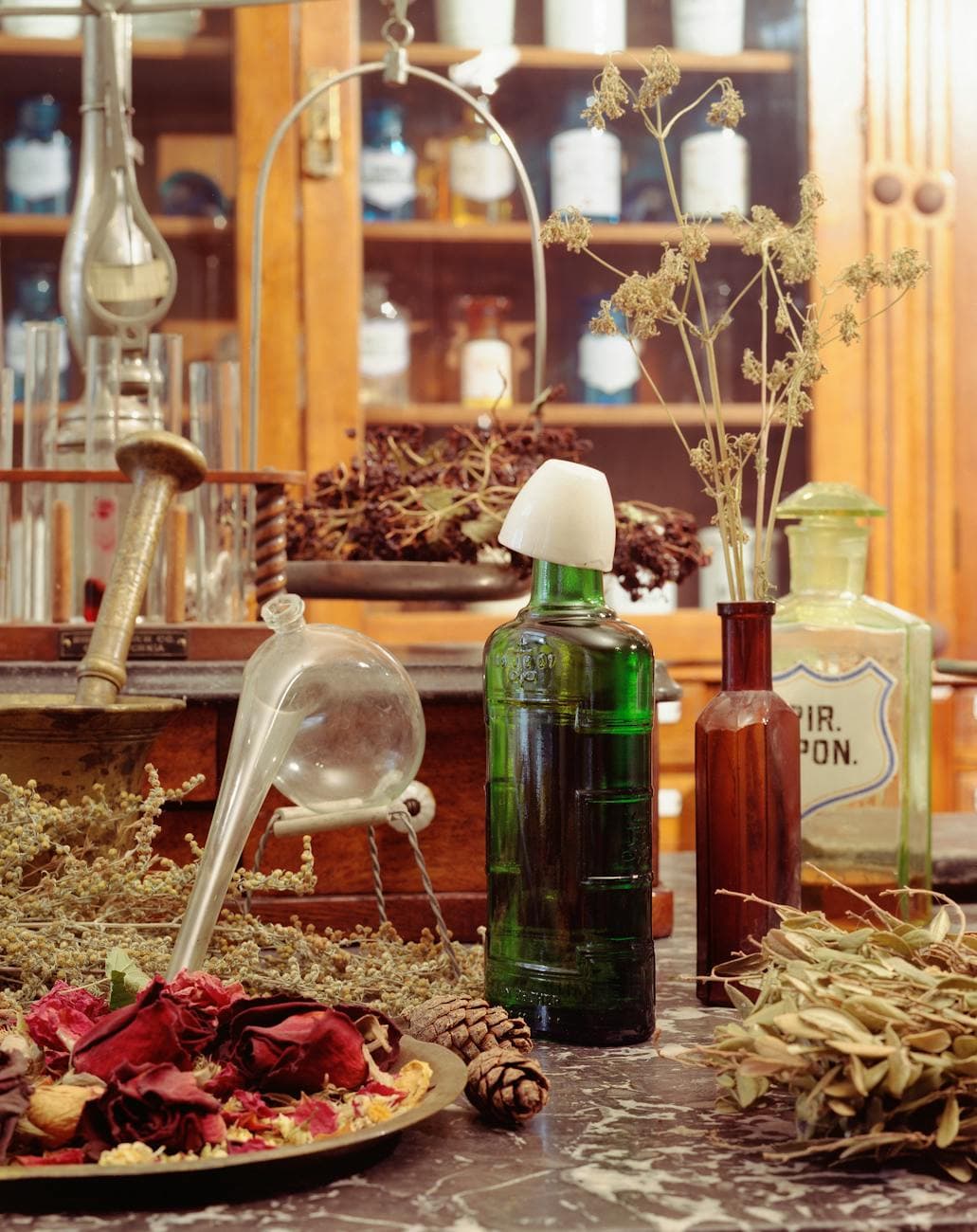
This continuity is the operational moat. A new co-packer buying herb from a commodity broker has no access to it. They can source the same herb species. They cannot source the same field history, the same drying method, or the same direct-buyer relationships that have been stress-tested across three decades of Balkan volatility.
What changed: the PT-2.33 machine and co-packing discipline
The herb operation was always about bulk supply - dried and graded herb shipped in cartons or sacks to DACH buyers who then blended, bagged, or packaged it themselves. The tea bag was always the buyer's responsibility.
The PT-2.33 machine changed that. Installing a German-engineered double-chamber tea-bag line inside the Kosovo processing facility meant the family could now supply finished tea bags, not just bulk herb.
The machine runs at 150-160 bags per minute. At single-shift capacity, that is approximately 5 million bags per month. The PT-2.33 produces the double-knot, non-heat-seal double-chamber bag with string and hard tag - the format that EU wellness and apothecary buyers recognise and trust. Cotton thread. Compostable filter paper. OPP or PLA envelope options.
Adding the machine did not change the herb operation. It extended it. The same family that grew and dried the chamomile now bags it.
When we installed the PT-2.33, some of our German customers asked why we hadn't done it sooner. My answer was that we hadn't done it until we were certain we could run it at the same standard we run the herb side. You don't add a machine and then figure out the quality. You have the quality first.
What stays the same: family, fields, standards
Three things are structurally unchanged by the transition to co-packing:
The sourcing relationships. The chamomile and linden that go into tea bags for our co-packing customers come from the same growing areas and harvest relationships that supplied German apothecaries in the 1990s. When we do full production - where we source, blend, and bag for a brand customer - the herb supply is direct and verified.
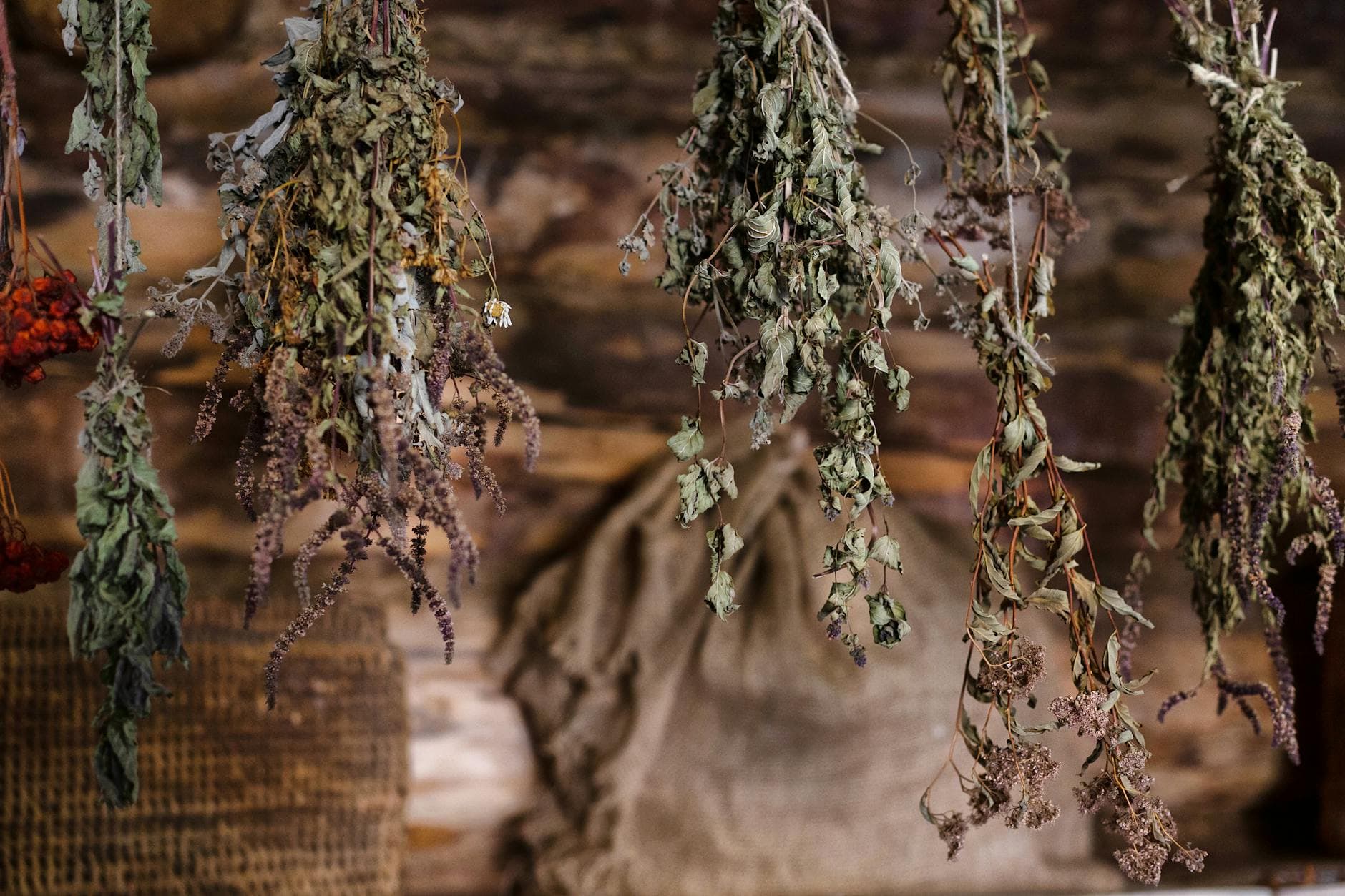
The processing discipline. Drying to moisture specification, hand-grading for foreign body, essential-oil retention through careful temperature control - these are practices developed over 36 years. They apply to bulk herb and to finished tea bags identically.
The family decision-making. Every quality release decision on the PT-2.33 line goes through the same people who run the herb operation. There is no separation between the herb business and the co-packing business. It is one operation.
The B2B tea brand customer
The tea brand customers we now serve are structurally similar to the DACH apothecary customers from 1990: they need verified herb, consistent specification, and a supply chain that is short enough to trace and document.
The difference is the output format. Instead of bulk chamomile in a sack, they receive finished double-chamber tea bags, enveloped and coded, with their artwork. The underlying herb traceability is the same. The journey from field to brand is shorter than almost any other co-packing option in continental Europe.
Two services from one facility
Balkan Tea operates two co-packing routes from the Kosovo facility:
Co-packing - you supply the tea, we bag it on the PT-2.33. Lead time 2-4 weeks. Lower MOQ. Your herb, your recipe, our machine and discipline.
Full production - we source the herb from our Balkan supply relationships, blend to your specification, bag, print, and ship. Lead time 8-14 weeks. Higher MOQ. The complete supply chain in one relationship.
Both routes give you the same PT-2.33 bag format. Both give you the same family-run quality system. The difference is where the herb comes from: your supply chain or ours.
Co-packing customers bring us their tea and we give it the best bag we know how to make. Full production customers trust us with the whole thing. Either way, the bag they receive is the same. The machine does not know which route it is running.
How the herb business informs co-packing quality
There is a specific type of quality problem that herb co-packers without a sourcing background run into: they receive bulk herb from a broker, bag it, and only discover at the customer's end that the specification was wrong - too high a moisture, too much stem material, wrong particle size for the bag format.
Our operation does not have that problem, because the quality system was built around herb specification first, and the co-packing machine was added to an existing quality framework, not the other way around. Moisture is checked at drying. Particle size is graded before packing. Foreign body detection is run on the fill line as standard.
The ISO 22000 and HACCP certification path formalised what the family had been doing informally for 30 years. A third-party audit checks the same things we check ourselves: temperature records, batch traceability, foreign-body detection logs, fill-weight QC records. The audit did not change our process. It documented it.
We started the ISO 22000 process because our German buyers wanted the certificate. But what the auditors found when they came was that most of what they required, we were already doing. The certificate just puts a number on it.
Supply context for brand decisions
Understanding the herb business behind Balkan Tea helps brand buyers make better sourcing decisions. If your brand story needs documented Balkan origin, we can provide it - because the origin is real and has been documented for over 30 years of DACH export.
If your brief requires chamomile or linden from a specific region - Kosovo, North Macedonia, or the broader Balkans - we source it from relationships that predate your brand by decades.
If your supply chain needs to survive a residue test, a DACH pharmacy compliance review, or an EU sustainability audit, the low-input, family-farmed Balkan origin gives you a shorter compliance path than commodity alternatives.
What the herb business cannot provide
Transparency about limitations is part of how we operate.
The herb supply chain we manage covers native Balkan herbs: chamomile, linden, sideritis (mountain tea), peppermint, sage, lemon balm, fennel, and seasonal herbs specific to the Kosovo and North Macedonia growing season. We do not source East Asian herbs, South American herbs, or herbs that do not grow in or adjacent to the Balkans. If your full production project requires Ceylon or Assam black tea as a base, we source that from established EU trading partners, not direct from growers - because we are not a Sri Lanka or Indian tea estate and we will not claim to be.
We also do not offer a full-service private label design operation. The co-packing and full production services cover herb, bag, and envelope. Artwork file requirements are documented, and we work with your existing design team. If you need a complete brand launch package - naming, identity, packaging design, marketing - we can direct you to partners, but that is not our operation.
What we do, we do because we have done it since 1990. Everything outside that scope, we say so upfront.
Cluster reading: Balkan herb sourcing
This post is the pillar for the Balkan heritage and sourcing cluster. The companion posts cover specific herbs and the broader origin case:
- Why Balkan origin matters for tea brands - terroir, traceability, and the buyer's comparison
- Chamomile and linden from Balkan fields since 1990 - field-level specs and harvest windows
- Native Balkan herbs for tea sourcing - sideritis, mint, sage, and the full herb range
- Balkan herb sourcing guide - practical guide for brand buyers
For the full facility and co-packing context: About Balkan Tea, the herb business background, and the full production sourcing process. German and Austrian brand owners can find market-specific context on the Germany locations page.
More from the Knowledge Hub
Custom Tea Blending: Building a Signature Blend for Your Brand
How a signature tea blend moves from a tasting brief to a locked recipe. The blending process, iteration cycles, and what separates a house blend from a generic SKU.
sourcingSideritis and Balkan Mountain Tea: Brand Sourcing Guide
B2B sourcing guide for Sideritis mountain tea: species differences, harvest windows, drying specs, documentation, and how to put it in a tea bag at scale.
sourcingNative Balkan Herbs for Tea Bags: Field to Finished Bag
How native Balkan herbs move from field to finished tea bag - cultivation, wild-harvest, drying, cutting, blending, and PT-2.33 double-chamber bag production.