
Luan Fazliu
Founder · 9 min read
Custom Tea Blending: Building a Signature Blend for Your Brand
How a signature tea blend moves from a tasting brief to a locked recipe. The blending process, iteration cycles, and what separates a house blend from a generic SKU.
A retail tea aisle contains hundreds of SKUs. The ones that sell are not the ones with the best packaging. They are the ones that taste like themselves - a flavour profile the consumer remembers and reaches for again. A signature blend is the hardest thing to get right and the most valuable asset a tea brand owns.
This guide walks through how custom tea blending works from the co-packer side: how a brief becomes a blend, how many iterations it takes, and how to know when a recipe is ready to lock.
What a blend brief should contain
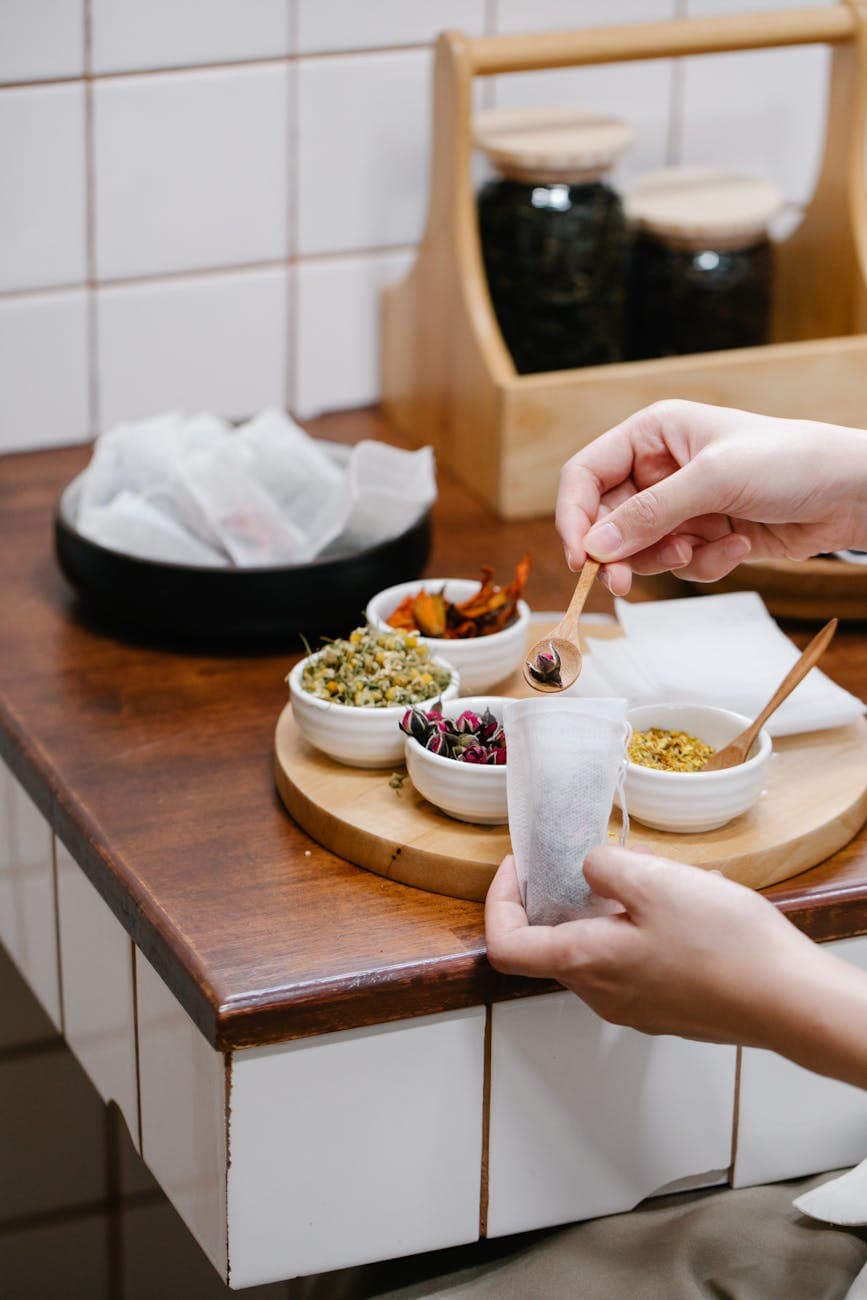
A blend brief that arrives at a co-packer saying "something like a breakfast tea but better" generates two to three rounds of unnecessary iteration. A brief that specifies the parameters below gets to a locked recipe in one to two rounds.
| Parameter | What to specify | Why it matters |
|---|---|---|
| Target consumer | Who is drinking this, where, and when. "German supermarket shopper, morning routine, EUR 2.49 shelf price" tells the blender more than "breakfast tea." | The same blend that wins in a Munich supermarket may be too light for a UK retail buyer and too dark for a French one. |
| Reference product | One existing tea SKU the blend should resemble, and one it should differ from. "Closer to Teekanne English Breakfast than Twinings. Lighter than Yorkshire Gold." | Gives the blender a target zone and a no-go zone. More useful than a verbal description. |
| Leaf size and form | Fine cut for bag infusion or whole leaf for loose presentation. Bag size: 60x40 or 64x44. | Determines the cut grade for each component in the blend. The PT-2.33 runs best with consistent particle-size blend components. |
| Strength target (liquor) | How strong the brew should be. Can be expressed as total dissolved solids or as sensory description. "Full-bodied, strong colour within 30 seconds." | Drives the ratio of Assam/Ceylon/Kenya components in a black tea blend or the stevia/sweetener decision in a herbal blend. |
| Caffeine requirement | Caffeinated, decaffeinated, partially decaffeinated, or caffeine-free. If decaf, specify the decaffeination method preference (CO2 or ethyl acetate). | Determines the green or black tea base selection. Caffeine-free herbal blends need no decaf component. |
| Price ceiling per kg (raw material) | Maximum you can spend on the blended tea before it enters the bag. Include margin for packaging cost on top. | Prevents the blender from developing a beautiful blend that exceeds your COGS target. The cost constraint should be part of the brief, not revealed after the blend is approved. |
| Allergen constraints | Any allergens that must be excluded from the blend. Nut-free. Gluten-free. Celery-free. Soy-free. | Narrows the ingredient palette before the blender starts. Easier to exclude at brief stage than to reformulate after the first iteration. |
| Sustainability / origin preference | Any sourcing requirements. Organic. Fairtrade. Single-origin. Balkan-native. Rainforest Alliance. | A blend can be reformulated to meet sustainability preferences, but the earlier the preference is stated, the fewer iterations. |
A good brief runs about one page. A great brief includes a physical reference sample. The best briefs arrive with the reference sample and a short note explaining what the buyer likes and does not like about it. The blender tastes the reference, reads the note, and has a clear target.
The blending process: iteration by iteration
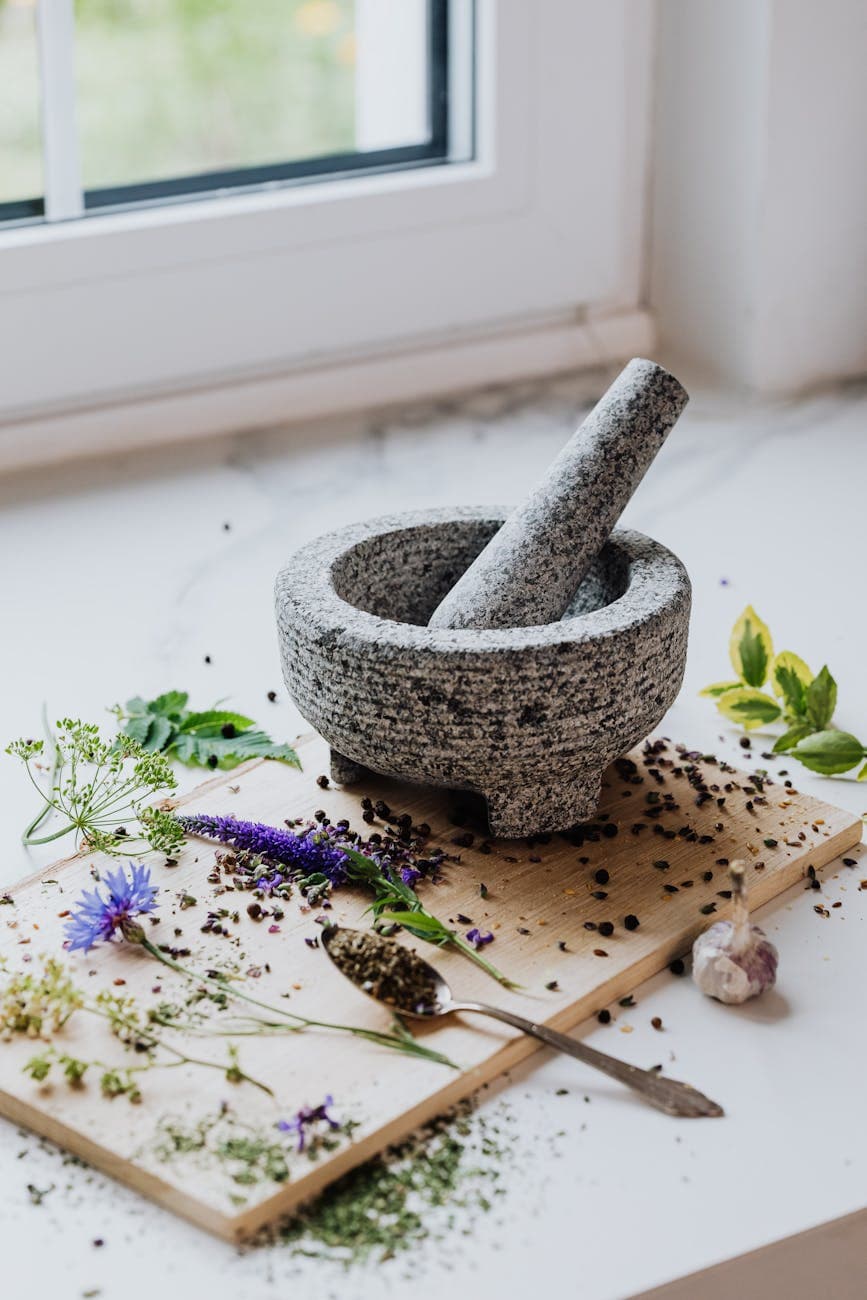
A custom tea blend typically goes through two to four iterations before the recipe is locked.
Iteration 1: The concept blend
The blender reads the brief, selects three to five candidate base teas, and blends a first trial batch. This is the broad-strokes version: the right category, roughly the right strength, matching the price ceiling. It will not be finished. It demonstrates:
- Whether the blender understood the brief
- Whether the strength target is achievable at the price ceiling
- Whether the base tea selection works in the specified bag size
The buyer tastes Iteration 1 and sends feedback: stronger, lighter, more Assam, less Ceylon, more floral, less bitter, too expensive, needs to fit a lower price point. The feedback on Iteration 1 is the most important communication in the entire blending process. Be specific. "Too bitter" does not help the blender. "The bitterness lingers after the sip - we want a cleaner finish" does.
Iteration 2: The adjustment blend
The blender reformulates based on the Iteration 1 feedback. This version is usually close to the finished product. The tea ratio is nearly right. The cut size is matched to the bag. The cost is within the target band. What remains to adjust is the finishing note - the top-note aroma component that makes the blend distinctive.
Iteration 3 (if needed): The finishing blend
The blender adjusts the finishing note. This is where a breakfast tea gets its identity: a small percentage of Kenyan for brightness, a touch of Darjeeling for floral lift, a whisper of vanilla or bergamot for aroma distinction. This is also the iteration where the cost per kg is finalised. The finishing notes are the most expensive components per gram. A 2% addition of a high-cost ingredient can shift the per-kg cost by 10-15%.
Iteration 4 (rare): The lock
If the blend is not ready after three iterations, the brief was probably not clear enough at the start. Iteration 4 is a re-brief, not another adjustment.
What separates a signature blend from a generic SKU
A generic SKU is a tea that could have come from any supplier. A signature blend is a tea that tastes like a deliberate decision. The difference is in the finishing note.
Generic breakfast tea: Assam + Ceylon, balanced for strength and colour. Competent. Forgettable. Tastes like every other breakfast tea in the aisle.
Signature breakfast tea: Assam base (strong, malty) + Ceylon mid-note (bright, clean) + small-fraction Kenyan (lively, astringent edge) + a whisper of Yunnan for a honeyed finish. The same category, completely different identity.
The finishing note is the 2-5% of the blend that does 80% of the brand differentiation. It is the component the consumer cannot name but recognises when they taste it again. It is the reason they reach for your box instead of the generic one next to it on the shelf.
Native Balkan herbs as blend differentiators
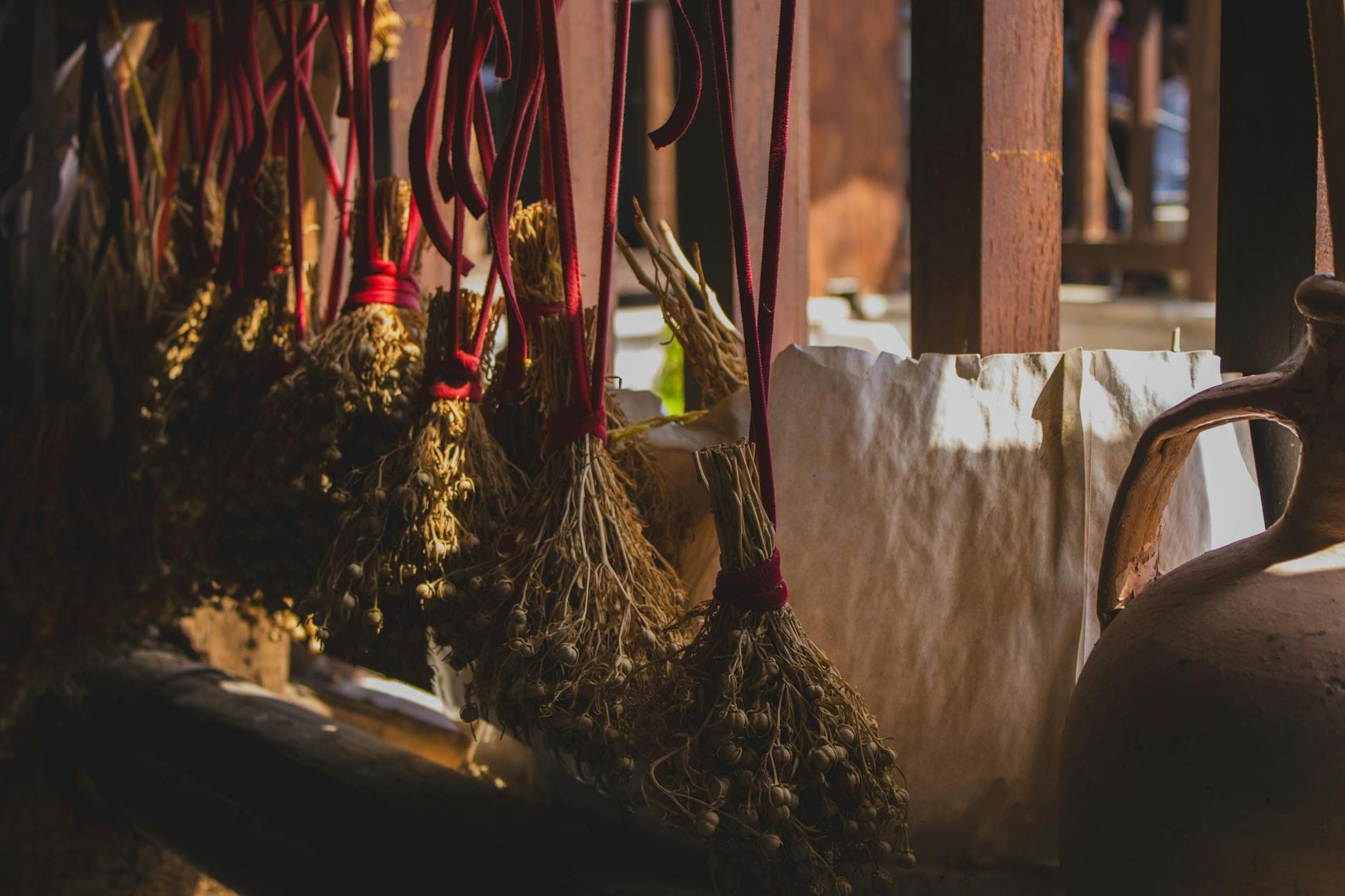
Balkan-native herbs bring a blending advantage that mass-market tea blends lack: geographic specificity. A mountain tea (Sideritis) base with chamomile and linden from Kosovo's Dukagjini plain tastes different from a generic chamomile-linden blend sourced from a broker who aggregated material from three countries. The difference is measurable in the phytochemical profile and perceptible in the cup.
Our family has cultivated, dried, and processed Balkan herbs since 1990. The blending knowledge that comes from 36 years of working with the same species in the same growing regions is not replicable by a generalist blender sourcing from a catalogue. We know what mountain tea harvested in July tastes like versus August. We know which chamomile fields produce the highest apigenin content. We know how much linden to add to a blend before it overwhelms the supporting botanicals.
For full-production brands that want Balkan-native botanicals as their differentiator, that blending knowledge is part of the recipe development service. For brands that have their own blender but want access to traceable Balkan herb material, talk to us about sourcing from our herb supply.
Locking a recipe: the document that protects your brand
A locked recipe is not a handwritten note. It is a controlled document that includes:
Ingredient list: Each component by botanical name, country of origin, grade, and percentage in the blend
Cut specification: Particle size range for each component. For bagged tea on the PT-2.33, particle size consistency drives fill-weight consistency
Analytical profile: Moisture content, water activity, density, sieve analysis. These are the batch-to-batch quality control reference points
Sensory profile: A descriptive panel report documenting the appearance, aroma, liquor colour, flavour, mouthfeel, and aftertaste of the approved blend. This is the reference against which every production batch is compared
Cost build: Per-component cost at contracted volume. Include buffer margin for seasonal price variation
Allergen declaration: Confirmation of allergen status (contains, may contain, free from) for each regulated allergen
A co-packer that produces to a locked recipe has a documented standard to maintain. A co-packer that produces to an informal tasting note has an opinion. Your brand deserves the document.
Working with us on a custom blend
Full Production at Balkan Tea includes custom blend development as a core service. The process starts with your brief, moves through tasting iterations, and ends with a locked recipe that we produce on the PT-2.33 line. For brands that already have a blend and want it co-packed, the recipe locks at incoming QC and we run it as a co-packing SKU.
For more on how recipe development fits into a full-production timeline, see our full production timeline guide. For the range of tea types we work with across black, green, herbal, fruit, wellness, and native Balkan categories, visit the tea range page.
A good blender tastes the blend. A great blender tastes what is missing from it. That gap is where your brand lives.
More from the Knowledge Hub
Carton and Outer Packaging Design for Tea Retail: The Buyer Guide
Every tea carton decision that matters before print: board grades, finishes, structural formats, sustainability labelling, and the dieline errors that cost weeks.
heritageHow a 36-Year Herb Business Shapes Our Tea Bag Supply
From family herb fields in Kosovo since 1990 to PT-2.33 tea-bag co-packing. How 36 years of Balkan herb supply built the sourcing foundation behind Balkan Tea.
guidesCo-Packing vs Full Production: Which Tea Route Fits
Co-packing or full production? This guide maps the decision to your brand stage, supplier relationships, and timeline. MOQ, cost, and control trade-offs explained.