
Luan Fazliu
Founder · 7 min read
Small batch tea bags: co-packing cost at 5K vs 50K MOQ
Small batch tea co-packing at 5K vs 50K MOQ: per-unit cost gap, who each tier suits, and when scaling the run actually saves money on your brand launch.
Small batch tea co-packing starts at 5,000 bags per SKU on our line. The per-unit cost at 5K is meaningfully higher than at 50K - but that gap is predictable, and for many buyers starting a brand or testing a new market, 5K is the right call. This article shows the exact cost dynamics at each tier and who each one suits.
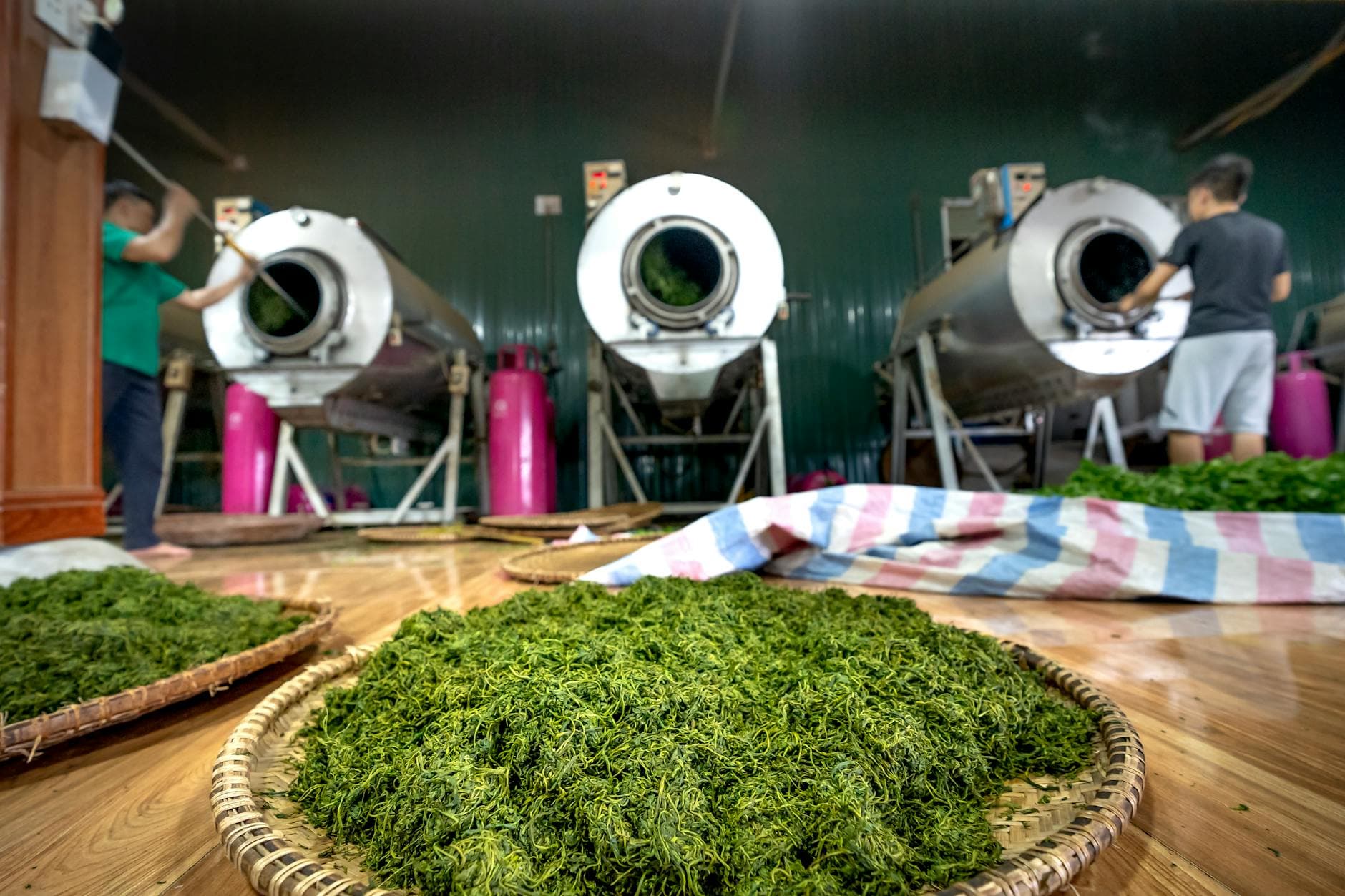
The question we hear most from new buyers is: "What's the minimum order, and how much more does it cost per bag compared to a bigger run?" Both questions have direct answers. The 5,000-bag MOQ on our co-packing line reflects a deliberate choice - not a capacity constraint. Over 36 years exporting Balkan herbs to German and Austrian buyers, we learned that a small wellness house with a strong product concept is often a better long-term account than a large buyer who forces volume before the product is proven.
That said, the economics are real. Here is how cost per unit moves across three representative tiers.
Per-unit cost dynamics: 5K, 15K, and 50K
The per-unit cost difference between a 5,000-bag and 50,000-bag run comes from one source: fixed cost dilution. Machine setup, line changeover, print plate amortization, and QC overhead are largely independent of bag count. Spread across 5,000 bags, they weigh heavily. Spread across 50,000, they nearly disappear into the per-bag rate.
| Tier | Volume | Fixed cost share per bag | Best suited for |
|---|---|---|---|
| Entry | 5,000 bags/SKU | High - but manageable | Market test, new brand, first SKU |
| Growth | 15,000 bags/SKU | Medium | Proven SKU, second retail listing |
| Scale | 50,000 bags/SKU | Low | National rollout, distributor program |
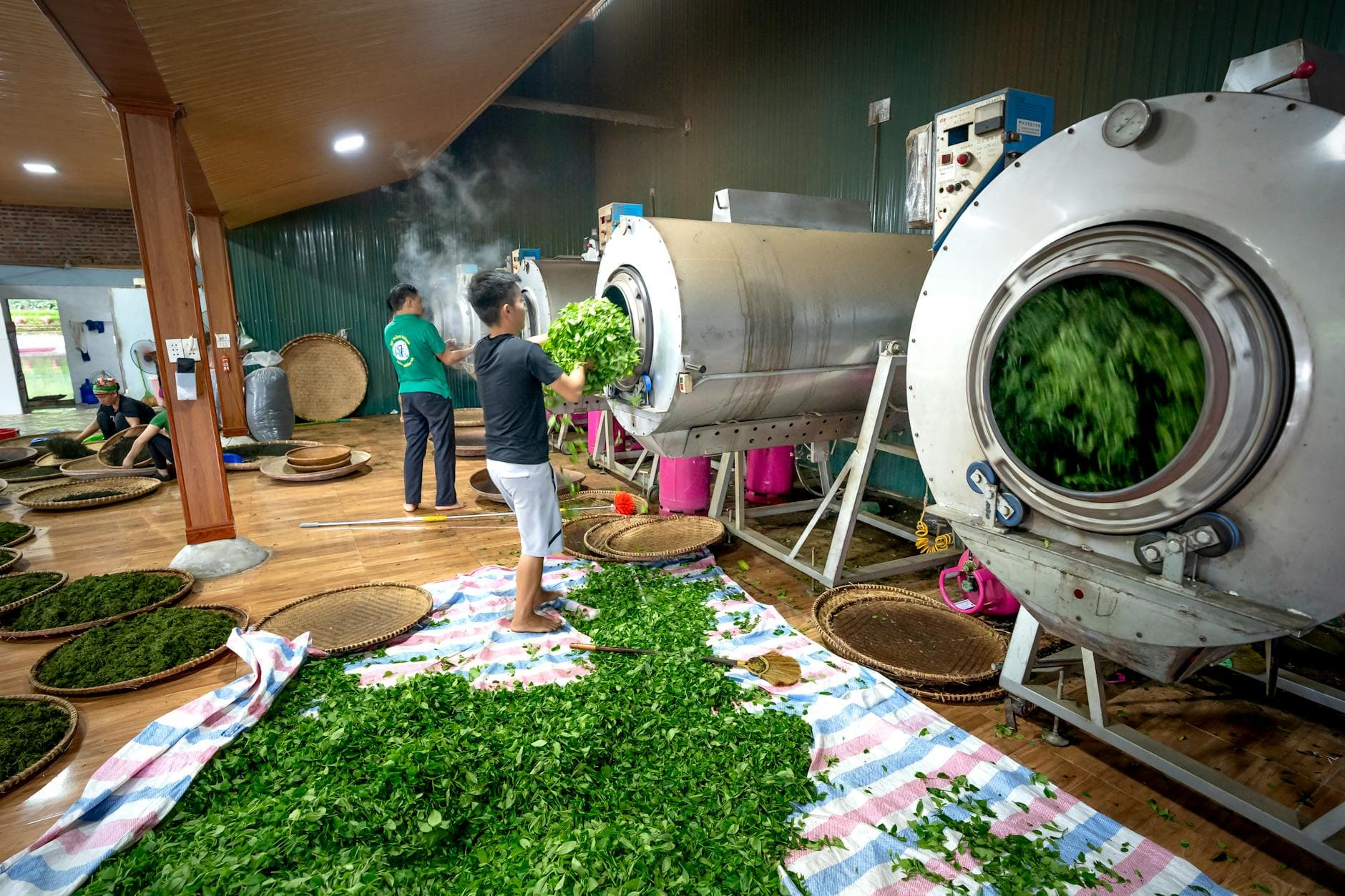
A practical way to think about it: moving from 5K to 50K bags on the same SKU typically cuts per-unit cost by 35-45%. That is a significant number - but it is only valuable if you can move 50K bags. Sitting on unsold inventory to chase a lower per-bag rate is the most common costing mistake we see from buyers who are new to private label tea.
Who buys 5,000-bag runs
The 5,000-bag tier suits specific buyer profiles. Recognizing your profile helps you decide whether to start at MOQ or stretch to the next tier.
New brand launch. You have a product concept, a target audience, and a brand identity. What you do not yet have is market proof. A 5K run lets you list in a small number of doors, gather feedback, and decide whether the product warrants scaling. The higher per-unit cost is the price of optionality.
Line extension test. You already run an established SKU at volume. You want to add a new variety - a linden blossom or mountain tea, say - without committing to 50K before knowing it will sell alongside your existing range. 5K gives you a testable quantity.
Regional or specialty retail. Independent health food shops, farm stores, specialist tea retailers - these buyers typically work in smaller quantities. A 5K run produces enough inventory to supply 20-30 independent doors for a full season without overcommitting.
DACH wellness house. This is the profile we know best. Small German and Austrian wellness brands - the kind Luan has exported Balkan herbs to for decades - often launch a private label tea range at 5K, prove it at the counter, and return for the 25K-50K run within 12 months. The low MOQ entry is what makes the first run viable.
Who buys 50,000-bag runs
The 50,000-bag tier represents a different commercial moment. You are not testing - you are committing to a distribution program.
National distributor onboarding. A distributor listing typically requires inventory to cover their initial fill-in plus a month of forward demand. For a product entering a national distributor's catalogue, 50K bags is often the realistic starting point.
Retail program launch. If you are listing a private label tea in a pharmacy chain or grocery retailer across multiple markets, you need inventory depth from day one. A 5K run may not cover the first delivery to a major buying group.
Annual contract economics. At 50K bags, the per-unit cost drop is substantial enough to price competitively into retail without margin compression. Buyers targeting the price-sensitive mid-market need the 50K economics to make the margin structure work.
The hidden variable: print plate cost per bag
One factor that the volume table above does not fully show is print plate amortization. Print plates are a fixed one-off cost per artwork. Spread across 5,000 bags, the plate cost adds a meaningful amount per unit. Spread across 50,000 bags, it becomes negligible.
| Tier | Volume | Plate cost per bag (illustrative) |
|---|---|---|
| Entry | 5,000 bags | Highest |
| Growth | 15,000 bags | Moderate |
| Scale | 50,000 bags | Low |
| Repeat run (same plate) | Any volume | Zero |
The repeat run row matters. If you return with the same approved artwork, the plate already exists. Your second run - even at 5K - benefits from zero plate cost on that SKU. This is one reason that consistent brand design across runs is economically rational, not just aesthetically motivated.
Lead times at each tier
Lead time does not scale linearly with volume. The production itself is fast - our HST PT-2.33 line runs at 150-160 bags per minute, which means a 5,000-bag SKU is produced in under an hour. What takes time is the process upstream and downstream of the line.
Sample + brief confirmation
Up to 1 week
Artwork QC + plate approval
1-2 weeks
Production run
2-5 days
Pack out + despatch
1 day
A buyer with pre-approved artwork and a confirmed tea sample can realistically receive a 5K run in 10 working days. A buyer starting from scratch - new artwork, first sample round, label compliance review - should plan for 4 weeks regardless of volume. Artwork and compliance approval is the same process at 5K and 50K. Volume only affects the production stage, which is the shortest.
Comparing 5K and 50K: the decision framework
The right volume tier is not the one with the lowest per-bag rate. It is the one that matches your current commercial moment.
| Question | 5,000 bags | 50,000 bags |
|---|---|---|
| Is the product proven? | No - testing now | Yes - scaling proven SKU |
| Distribution in place? | Small doors, regional | National distributor or retail |
| Inventory risk tolerance | Low - limited capital committed | Higher - full program commitment |
| Per-unit cost priority | Secondary | Primary |
| Repeat order likely within 6 months? | Uncertain | Planned |
Multi-SKU batching at 5K
If you are launching three SKUs simultaneously and each is at 5K, consider scheduling them in a single production window. Batching multiple SKUs in one line session reduces per-session setup overhead compared to three separate orders. It also means one set of export documents and one freight movement.
Three SKUs at 5K each, batched, does not give you 50K per-bag economics - but it is materially more efficient than three independent 5K runs across separate weeks.
For the full breakdown of what drives per-unit cost across the five main variables, see private label tea cost per unit: 5 factors that move it. For German-speaking buyers comparing Lohnabfüller pricing, the Tee Lohnabfüllung Kosten guide covers the same cost structure in German.
For pricing details and our current MOQ tiers, visit co-packing MOQ and pricing or contact us directly with your brief - volume, tea type, envelope preference, and ship-to destination - and we will respond with a firm indication within 4 working hours.
More from the Knowledge Hub
Sustainability in Tea Packaging: What Buyers Actually Pay For in 2026
How sustainability claims in tea packaging drive buyer behaviour. The gap between what consumers expect and what they pay, plus compostable claims and regulatory risk.
guidesPrivate label tea cost per unit: 5 factors that move it
Private label tea cost per unit depends on 5 measurable factors. This guide breaks down each one with real numbers so you can plan before you quote.
guidesPrivate Label Tea MOQ in Europe: What to Expect
Most European tea co-packers set MOQ floors at 25,000-60,000 bags per SKU. We start at 5,000. Here is what drives the difference and how to compare co-packer quotes.